
Quick answer: what Ultherapy PRIME adds
Ultherapy PRIME is a focused ultrasound skin‑lifting procedure that includes real‑time ultrasound visualization of target tissue. The device is recorded in the U.S. FDA 510(k) database as K233996 (see FDA record). Real‑time imaging helps the clinician place energy where intended, which can refine candidate selection and treatment planning. It is not a surgical facelift. Candidacy, device settings, energy dose and combinations with other treatments require in‑person medical assessment and a personalized plan based on anatomy, goals and risk assessment.
AI consultation simulation
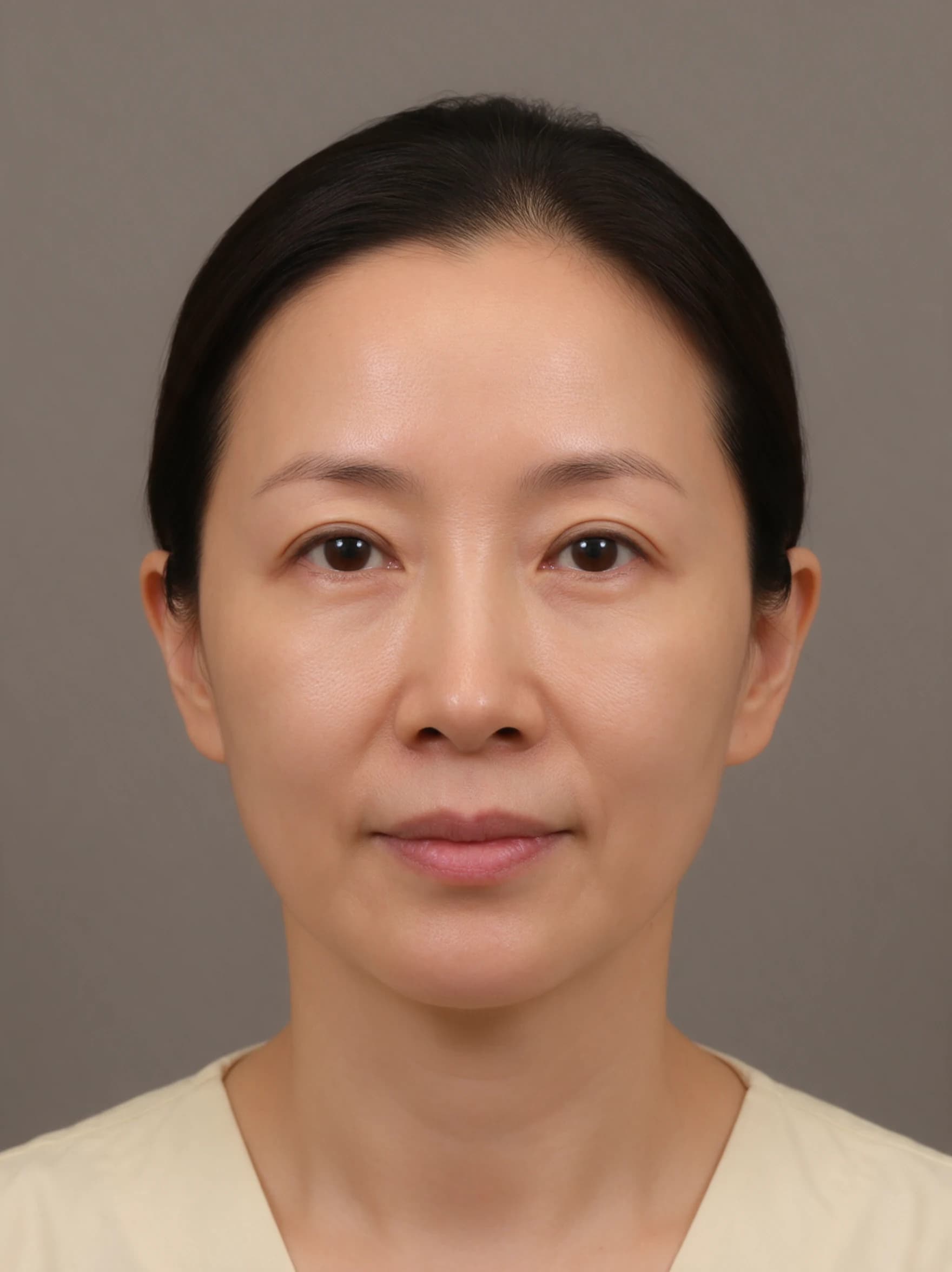
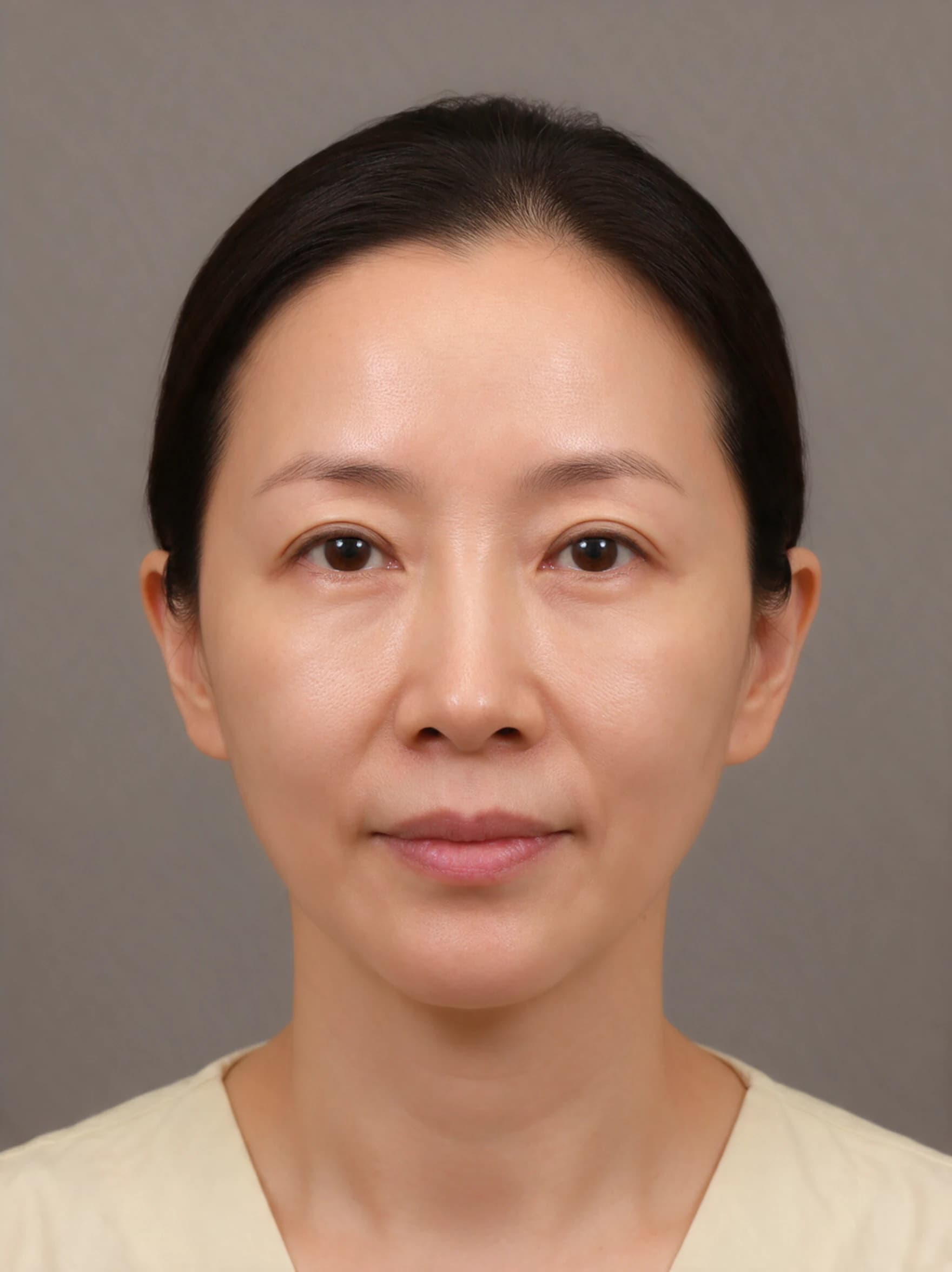
AI-generated educational simulation. Not an actual patient result or a guarantee. Individual outcomes vary.
How real‑time imaging changes planning and delivery
Real‑time ultrasound visualization enables identification of tissue layers — dermis, subcutaneous fat and deep fascial planes — so the operator can adapt positioning, depth and energy. The Ultherapy PRIME mechanism overview explains targeted microthermal injury to stimulate collagen remodelling (see Ultherapy PRIME official mechanism overview). In practice, visualization can reduce guesswork in areas with variable anatomy and may change the number and depth of passes. Any setting changes must be individualized; candidacy, device parameters and combination strategies require in‑person assessment by a trained clinician.
Who is most likely to benefit — appropriate candidacy
Ideal candidates are those with mild‑to‑moderate skin laxity who prefer non‑surgical options and understand gradual improvement over months. Ultherapy PRIME can be considered for facial and submental tightening when tissue quality and expectations align, but it is less predictable for heavy laxity or significant excess skin. Assessment should include medical history, skin quality and imaging during examination. Candidacy, device settings, energy dose and combinations with fillers or other therapies require in‑person medical assessment to determine realistic goals and safety. Referenced device information is available in the FDA 510(k) K233996 record.
Typical timeline and commonly reported effects
Patients usually notice immediate tissue tightening in hours to days from swelling and collagen contraction, but most improvement unfolds over 3–6 months as collagen remodelling occurs and may continue up to 12 months. Commonly reported effects include transient redness, swelling, tenderness, and rare numbness or bruising. Serious adverse events are uncommon but possible. The Ultherapy PRIME FAQs and mechanism pages provide manufacturer context on expected effects and recovery (see Ultherapy PRIME official FAQs and Ultherapy PRIME official mechanism overview). Candidacy, settings and any multi‑modality plan must be decided in person.
International patient checklist and consultation questions
Traveling patients should prepare: 1) full medical history, photos of the face and neck, and a list of prior procedures; 2) realistic goals and questions about recovery time for travel and final result timing; 3) ask about the clinician's ultrasound experience and number of Ultherapy PRIME procedures performed. Useful consultation questions: Do you use real‑time imaging for my anatomy? What settings and depth would you plan, and why? How do you manage pain and rare complications? What follow‑up is needed locally after my return? Remember: candidacy, device settings, energy dose and combinations require in‑person medical assessment. Refer to the FDA K233996 record and official Ultherapy resources for device context.
Frequently asked questions
Is Ultherapy PRIME FDA‑cleared?
The Ulthera System PRIME appears in the U.S. FDA 510(k) database under record K233996; review that FDA entry for regulatory context (see U.S. FDA 510(k) K233996 — Ulthera System PRIME). Regulatory clearance means the device met criteria for marketing claims submitted, not a guarantee of individual clinical outcomes. Candidacy and treatment parameters should be discussed in person with a qualified clinician.
Can Ultherapy PRIME replace a surgical facelift?
No—Ultherapy PRIME is not a surgical facelift. It can improve mild‑to‑moderate laxity by stimulating collagen over months, but it does not remove excess skin or reshape deep structural support in the same way surgery can. For advanced laxity or excess tissue, surgical consultation is appropriate. Any decision about procedure type, combination therapies or retreatment timing should follow an in‑person medical assessment tailored to your anatomy and goals.
What should I ask at my Cheongdam consultation?
Key questions: Do you use Ultherapy PRIME with live ultrasound imaging for my anatomy? How many Ultherapy PRIME cases have you performed and what are your complication rates? Which depths and energy settings do you recommend for my areas of concern, and why? How will my travel schedule affect timing and follow‑up? What are alternative or adjunctive options if my skin laxity is more advanced? Remember that candidacy, settings, dose and combinations must be confirmed in‑person by the treating clinician.
Sources and further reading
Medical review required before publishing clinical claims.
Plan a consultation