
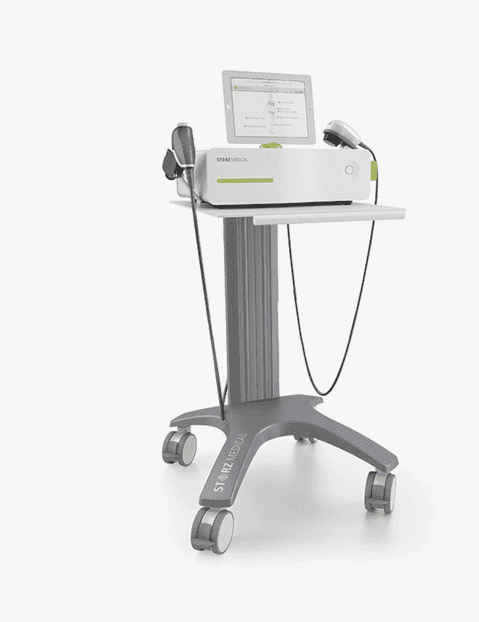
What is Ultherapy in Seoul, and why does real-time imaging matter?
Answer: Ultherapy is a clinician‑delivered, microfocused ultrasound procedure used for non‑surgical tightening of specific facial, neck and décolleté areas; real‑time imaging (DeepSEE/visualization) assists the operator to confirm tissue coupling and target depth but is a planning and safety aid, not a guarantee of lifting results.
Explain: The U.S. FDA 510(k) for the Ulthera System describes visualization to about 8 mm and lists intended aesthetic indications for eyebrow lift and lax submental/neck tissue (K180623). Manufacturer IFU and product pages explain available transducer depths (1.5, 3.0, 4.5 mm on PRIME) and emphasize trained users. Ask the Seoul clinic to show which exact platform and transducer they plan to use, how imaging will guide depth selection, and how the plan differs for your anatomy and goals; country labeling and product policies may differ from U.S. records (FDA K180623; Ulthera IFU; Ultherapy PRIME).
AI consultation simulation
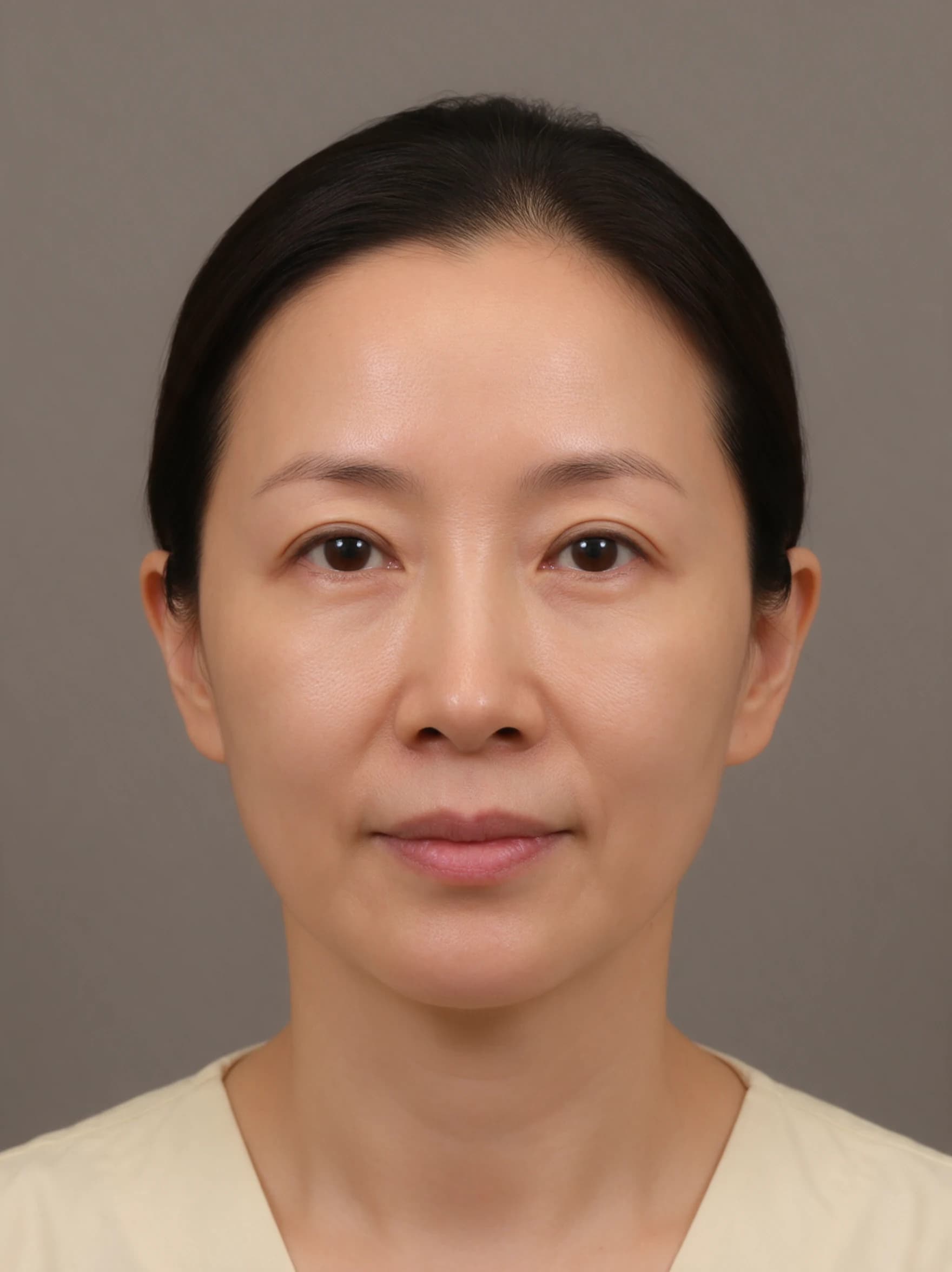
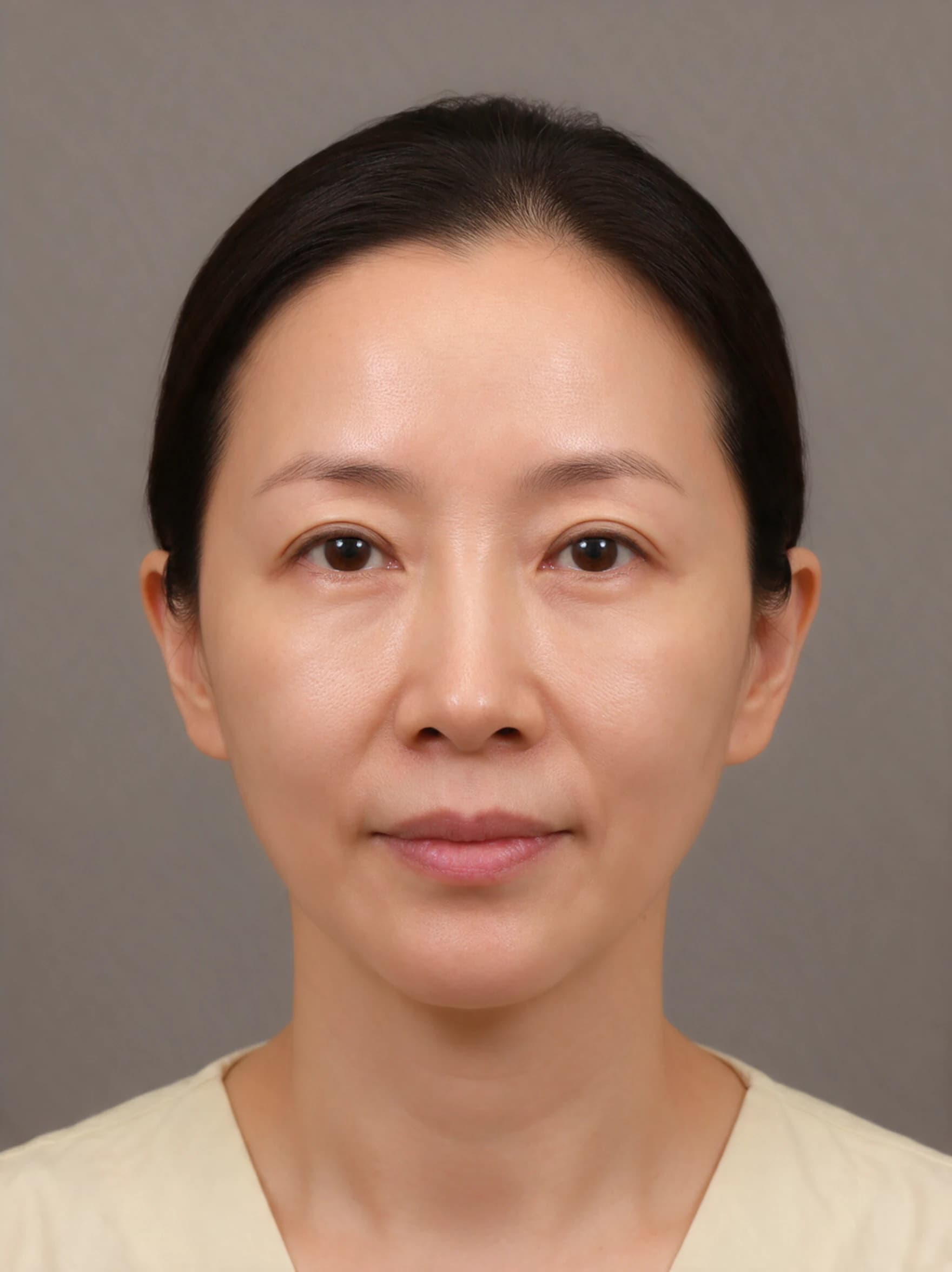
AI-generated educational simulation. Not an actual patient result or a guarantee. Individual outcomes vary.
Who may be a realistic candidate for Ultherapy—and who needs another plan?
Answer: Only an in‑person medical assessment can decide candidacy; evidence most consistently shows mild‑to‑moderate tightening in people with mild‑to‑moderate facial laxity, not surgical‑level correction.
Explain: A 2023 systematic review (Contini et al.) pooled studies—all female participants—and reported mostly mild‑to‑moderate improvements at 90–360 days; outcomes declined with greater laxity and can be influenced by BMI and anatomy. The IFU lists contraindications such as open wounds, severe acne in the treatment area, active implants, and cautions about treating over dermal fillers or in populations not evaluated. Ask your Seoul clinician to explain how your laxity, volume loss, muscle movement, or skin texture were differentiated, which alternative surgical or non‑surgical options were considered, and why a specific depth or transducer was chosen for you (Contini et al.; Ulthera IFU).
How can a Seoul visitor check the device, transducers, and treatment plan transparently?
Answer: Ask for the exact platform and clinician name, request platform‑specific documentation on transducer use/handling, view the device in consultation, and obtain a written, itemized treatment plan and aftercare contact before booking.
Explain: The 2018 FDA 510(k) for the Ulthera System lists reusable controller/handpiece components and single‑use transducers in that cleared record, while current manufacturer pages for PRIME describe DeepSEE visualization and different transducer policies—so platform specificity matters (FDA K180623; Ultherapy PRIME). Request how the clinic documents transducer replacement or cleaning, whether transducers are single‑use or multi‑patient‑use for your planned platform, who will perform the procedure, what imaging will be used, dose/energy rationale and an itemized invoice or record showing the platform and treated areas. Use a checklist—clinician responsibility, platform ID, transducer policy, written scope and cost, English aftercare contact—to compare like‑for‑like offerings; do not accept vague “authentic tip” language without applicable documentation (FDA K180623; Ulthera IFU; Ultherapy PRIME).
What is the expected Ultherapy timeline, including visible recovery and response?
Answer: Expect evolving results over months rather than an immediate surgical‑level change—studies assess outcomes commonly at ~90, 180 and up to 360 days—while transient redness, swelling or tenderness can occur within hours to days.
Explain: The 2023 systematic review reported pooled investigator‑rated improvement at day 90 for many participants, but commonly mild‑to‑moderate effect; patient‑rated improvement rose from ~42% at 90 days to ~53% at 360 days in available data (Contini et al.). The IFU notes redness typically resolves within hours and swelling often within 3–72 hours; tenderness can persist longer. Adverse events reported in the literature included transient erythema/edema and uncommon events such as altered sensation, bruising, burns or scarring when technique is incorrect. Ask the clinic what immediate signs to expect, typical post‑treatment timeline they observe, analgesia options, and which specific follow‑up photos or checks they require before you leave Seoul (Contini et al.; Ulthera IFU).
How should you plan Ultherapy around a Seoul trip?
Answer: Treat the visit as medical care: schedule an early consultation, confirm required medical history and translation needs, verify aftercare contact and written plan, and leave schedule flexibility for possible short‑term reactions or a changed recommendation.
Explain: Before travel, provide medical history, current medicines, implanted devices, recent fillers/procedures and photos per the clinic’s request; remote screening is not a diagnosis and settings or combinations must be set during an in‑person exam. The IFU lists contraindications and cautions; KHIDI and the Korea Tourism Organization provide neutral resources for foreign patients but do not endorse clinics. Ask for an itemized visit summary naming the platform and transducer used, who performed the treatment, expected immediate effects and escalation contacts—including English‑accessible aftercare—and avoid booking a high‑stakes event immediately after treatment without allowing recovery time (Ulthera IFU; KHIDI; Korea Tourism Organization).
Distinguishing medical dermatology, aesthetic medicine and non‑medical skincare for Ultherapy seekers
Answer: Ultherapy is an energy‑based medical/aesthetic procedure performed by trained clinicians and falls under medical dermatology/aesthetic medicine; it is distinct from over‑the‑counter skincare products or non‑medical facial services.
Explain: Medical dermatology and aesthetic medicine include device‑based interventions requiring clinical assessment, contraindication screening and documented aftercare (IFU). Non‑medical skincare—creams, serums, in‑spa facials—can complement skin health but do not replace the need for a clinician to assess laxity, implants, recent fillers or medical contraindications. When you consult in Seoul, confirm whether the consultation is clinical (medical history, exam) versus a non‑medical cosmetic consult, who will perform the treatment, and what medical escalation route exists if you have concerning post‑procedure symptoms (Ulthera IFU).
Frequently asked questions
Does real-time imaging guarantee a better Ultherapy result?
No. Imaging visualizes tissue layers to confirm coupling and depth and can improve planning and safety, but anatomy, indication, clinician technique and biological response still determine outcomes. See FDA 510(k) K180623 and the Ulthera IFU.
When will I see Ultherapy results?
Studies commonly assess outcomes at ~90, 180 and up to 360 days; many reported improvements are mild to moderate and patient‑rated changes may continue to evolve over months. Do not assume immediate or guaranteed change (Contini et al.; Ulthera IFU).
Can I have Ultherapy if I have fillers, acne, implants, or take anticoagulants?
Do not self‑clear. The IFU lists open wounds, severe/cystic acne in the area and active implants among contraindications and states that treatment over dermal fillers, use with anticoagulants, pregnancy/breastfeeding and certain disease states were not evaluated or may not be recommended. An in‑person clinician must assess your history and the treatment area (Ulthera IFU).
How long should I stay in Seoul after Ultherapy?
There is no universal stay length in the sources. Plan flexibility: allow time for consultation, possible change of plan, and short‑term redness, swelling or tenderness; confirm the clinic’s aftercare contact and what to do if symptoms arise after you depart. Avoid scheduling high‑stakes events immediately after treatment (Ulthera IFU; KHIDI).
Sources and further reading
- FDA 510(k) K180623 — Ulthera System
- Ulthera System Instructions for Use (IFU)
- Ultherapy PRIME — Meet Ultherapy PRIME
- Contini et al., 2023 — Systematic review of MFU for facial skin tightening
- Korea Health Industry Development Institute (KHIDI) — English site
- Korea Tourism Organization — K-Medical & Wellness
Medical review required before publishing clinical claims.
Plan a consultation