

Start with your concern, but let the consultation decide the treatment
Answer: Describe one or two observable priorities (for example, uneven tone, acne scarring, dryness or volume loss) and bring a list of medicines, allergies and prior procedures so the clinician can assess candidacy and safety.
Evidence and limits: The American Academy of Dermatology recommends that a clinician’s knowledge of your medical history and current medications influences recommendations and safety. Avoid self-selecting devices or packages online; an in-person exam is needed to choose settings, dose and combination safely. Ask the clinician which signs would change their recommendation and whether a staged or conservative approach could be reasonable.
AI consultation simulation
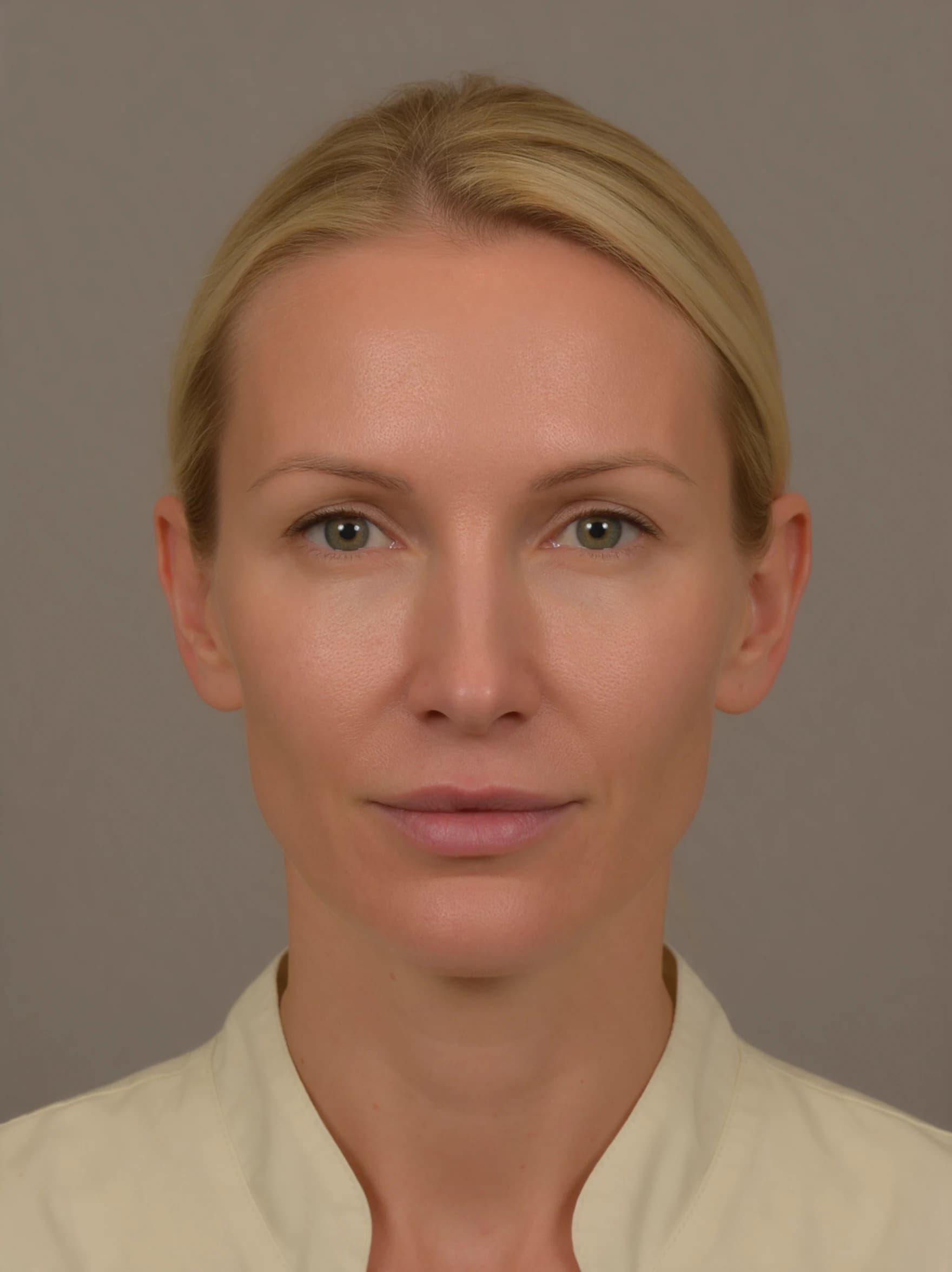
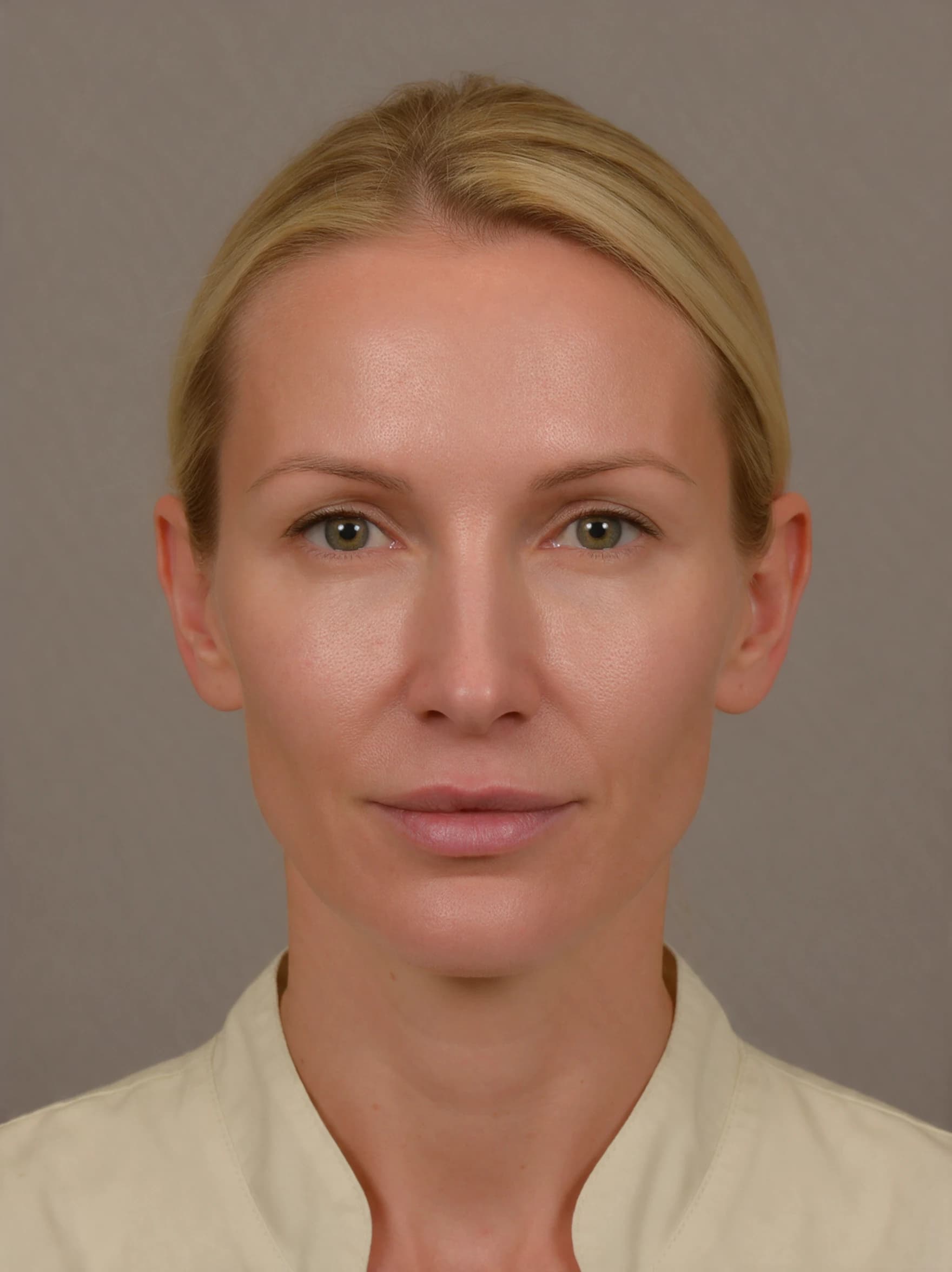
AI-generated educational simulation. Not an actual patient result or a guarantee. Individual outcomes vary.
Verify the clinic and the treating clinician before you compare prices
Answer: Ask the clinic to name the physician who will assess and supervise the treatment, then verify that physician’s Korean licence, specialty and experience and whether the facility is authorized for foreign-patient care.
Evidence and limits: Korea Health Industry Development Institute (KHIDI) advises checking provider certification, physician licence and clinical experience and using providers or facilitators authorized by Korea’s Ministry of Health and Welfare. Marketing materials or a long device list do not replace verifiable credentials. Ask how often the clinician performs the exact procedure and whether interpreter or coordinator support is available.
Use the consultation to make a shared, informed decision—not to rush into a package
Answer: A proper consultation names the problem, compares reasonable options (including no procedure), explains expected benefits, limits, risks, recovery and total costs, and invites questions until you understand and can consent freely.
Evidence and limits: AAD guidance and a 2024 Frontiers in Medicine study define shared decision-making as information sharing, weighing options and agreeing on the plan. For injectables, ask the exact product, area and escalation plan; FDA guidance treats fillers as medical procedures with product-specific risks. If pressured to decide immediately or promised guaranteed results, pause and seek alternatives or more time.
Choose follow-up and travel logistics as carefully as the procedure
Answer: Confirm whether follow-up is in-person before departure, remote after return, included in cost, and how the clinic will escalate complications and share English records with your home clinician.
Evidence and limits: CDC advice for medical tourists recommends pre-travel discussion with a home clinician and a complications plan with both teams. Obtain English copies of records and a written aftercare plan and confirm restrictions about travel, exercise, sun exposure or long flights after the specific procedure. Ask the clinic for an after-hours contact and exact symptoms that require urgent review.
Use a transparent checklist when searching for the ‘best’ skin clinic in Seoul
Answer: There is no single universal ‘best’ clinic. Compare clinics with a written checklist: treating clinician identity and credentials, foreign-patient authorization, consultation quality, interpreter access, written estimate and consent, follow-up and emergency contacts.
Evidence and limits: KHIDI, AAD and FDA guidance all emphasise credential checks, consultation content and clear aftercare rather than device lists or marketing claims. For injectables, confirm product identity and emergency response because fillers carry rare but serious risks. Apply the same checklist to every clinic you consider, including ANTIAN CLINIC, and insist on an in-person assessment before any procedure is scheduled.
Practical steps before you book or travel
Answer: Prepare a short written summary of your concern and medical history, request an interpreter or coordinator, ask for written cost estimates and follow-up commitments in English, and confirm emergency contacts and record delivery before you depart Korea.
Evidence and limits: CDC recommends pre-travel discussion with your home clinician and planning for complications. KHIDI and AAD emphasise written records, interpreter support and consent. Remember that candidacy, device settings, product choice and dose require an in-person medical assessment; a remote pre-screen can arrange timing but does not replace the face-to-face exam.
Frequently asked questions
How do international patients choose a skin clinic in Seoul?
Start with a written concern and compare clinics on the treating clinician’s verifiable credentials, authorization to serve foreign patients, consultation clarity, interpreter support, written costs, records, follow-up and emergency plan. Do not rely on a device menu or social-media ‘best’ claim alone.
Should I book a cosmetic treatment before arriving in Seoul?
You may arrange a consultation before travel, but the treatment decision should follow an in-person assessment. The clinician must review your skin, history, medications, goals and travel window before confirming candidacy, product, settings or doses.
What should an interpreter or medical coordinator help me understand?
They should help you understand the proposed procedure, alternatives, benefits, material risks, expected recovery, aftercare, costs, consent contents and how to reach the clinic for follow-up or emergencies. Use them to explain the plan back in your own words.
What follow-up information should I take home after treatment in Seoul?
Take English copies of your medical records, a treatment summary, the written aftercare plan, consent forms and the clinic’s contact and emergency escalation details so home clinicians can continue care if needed. CDC advises sharing overseas records with later providers.
Sources and further reading
- KHIDI — Information for Patient
- American Academy of Dermatology — Best questions to ask when considering a cosmetic treatment
- American Academy of Dermatology — Your safety
- U.S. Food and Drug Administration — Dermal Fillers (Soft Tissue Fillers)
- CDC Yellow Book — Medical Tourism
- Frontiers in Medicine — Shared decision-making implementation status among dermatologists engaging in medical esthetics (2024)
Medical review required before publishing clinical claims.
Plan a consultation