
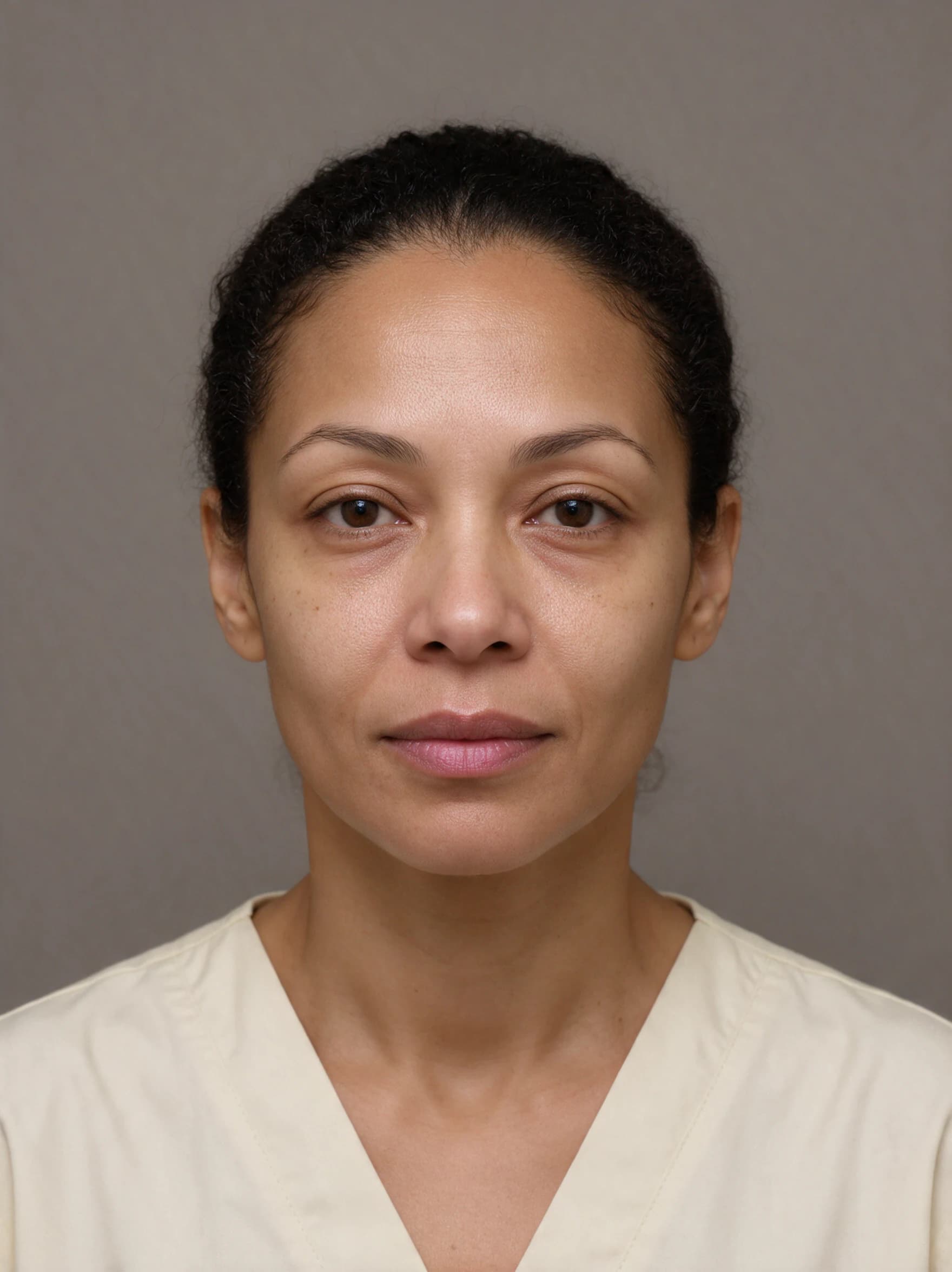
Start with a four-domain assessment—not a package
Answer: A responsible anti-aging consultation separates concerns into skin quality, facial structure, expressive movement and wellness/travel constraints and uses that map to guide decisions rather than selling the biggest same‑day bundle.
Explain: Asking a patient to rank visible tone/texture, perceived laxity or volume loss, lines that appear with expression and recovery-time limits clarifies priorities. Review medical history, allergies, prior procedures, medications, supplements and travel dates before proposing interventions; document baseline rest and expression photos. Ask: Which domain matters most to you, what are your travel constraints, and can we stage care if needed?
AI consultation simulation

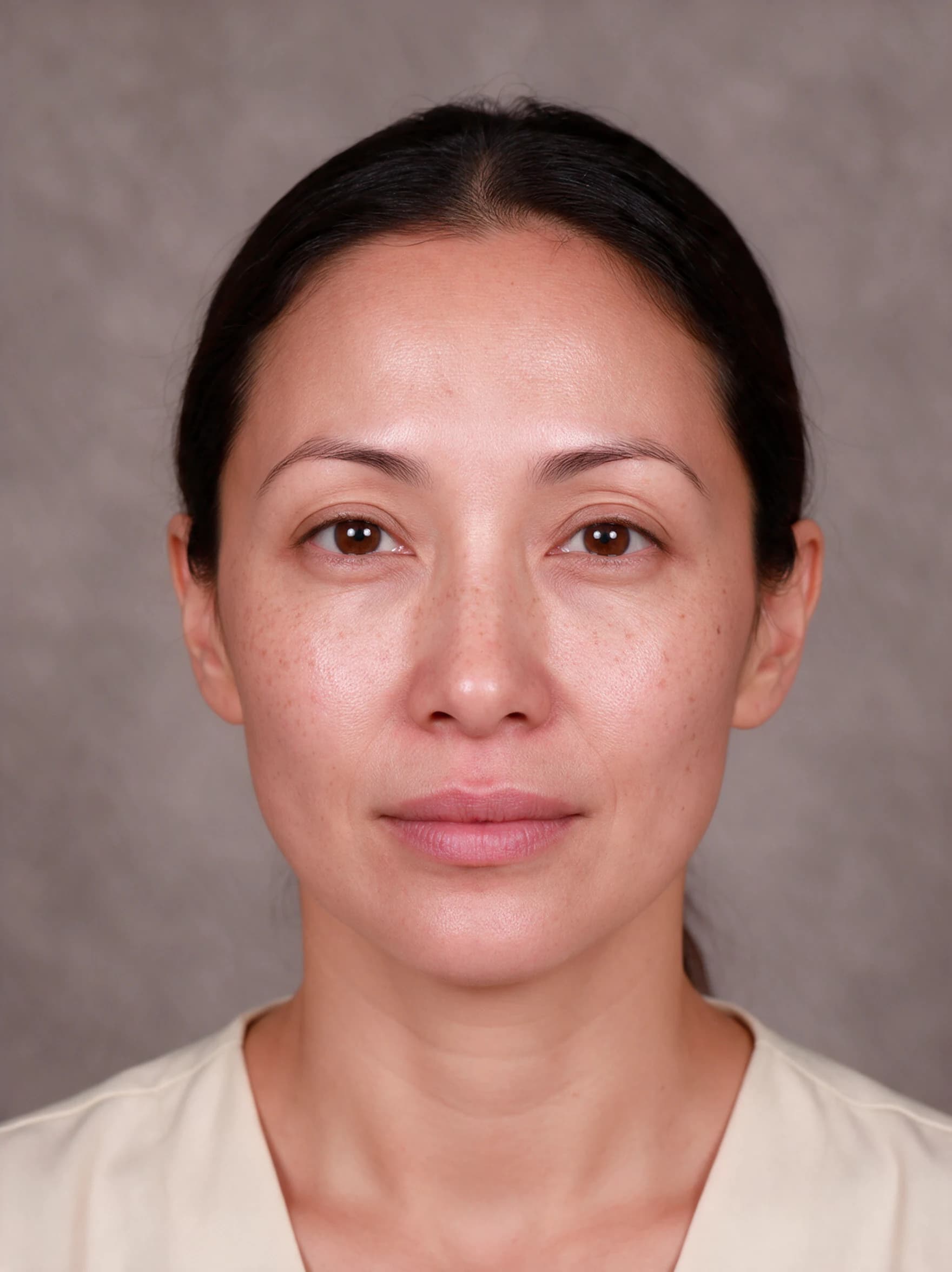
AI-generated educational simulation. Not an actual patient result or a guarantee. Individual outcomes vary.
Treat skin quality as a foundation, not a promise of lifting
Answer: Skin-quality treatments address surface concerns—tone, texture, pigment and hydration appearance—but do not substitute for structural assessment where laxity or volume change is present.
Explain: Include daily photoprotection as baseline prevention per the American Academy of Dermatology. When discussing BBL, MOXI, skin boosters, lasers or RF devices, ask which device, settings, target depth, downtime and pigment‑risk mitigation are proposed for your skin type. Evidence reviews report heterogeneous designs and limited data for the darkest phototypes; ask how the clinic will tailor settings and follow response rather than promise a fixed session count.
Match structure and movement only after anatomy is assessed
Answer: Volume/contour issues and expression lines require different assessments; a clinician should observe the face at rest and in motion and then recommend neuromodulators, fillers, devices, staging or no procedure based on anatomy and risk.
Explain: If botulinum toxin is discussed, review prior reactions, neuromuscular history and interacting medicines because product labels (eg, BOTOX Cosmetic) include dose units that are not interchangeable and boxed warnings about distant spread. For fillers, ask for the exact product category, intended site and how the clinic will manage urgent signs such as blanching, severe pain or vision change. Ask: Which product and dosage will you use, who injects, and what is the emergency escalation plan?
Set wellness and travel boundaries before combining treatments
Answer: Wellness supports goals but is not medical care; international patients need a plan that allows informed consent, recovery monitoring and an aftercare route once they leave Seoul.
Explain: Discuss lifestyle, sleep, nutrition and supplements as supportive only. Disclose pregnancy, breastfeeding, active infection/inflammation, allergy history and prior adverse reactions because the FDA notes unknown filler safety in pregnancy/breastfeeding and advises delaying injection with active inflammation. For travelers, confirm visible-recovery expectations, activity restrictions, who provides urgent triage and whether the itinerary leaves a safe monitoring window. Ask: Can I access follow-up or urgent care in my home country and who is the local escalation contact?
Choose a Seoul clinic with a verifiable safety process, not a best claim
Answer: No clinic is universally best. Compare clinics by whether they verify clinician qualifications, disclose exact product or device model and lot where applicable, use a tailored consent process, demonstrate complication readiness and provide language‑accessible aftercare and clear pricing inclusions.
Explain: Confirm who performs the medical assessment and each procedural step, ask for product provenance and lot/expiry where feasible, and require a consent discussion that covers alternatives, material risks and the option to defer. Check how urgent complications are recognized and escalated during the visit and after departure, and request a written aftercare contact route in your language. Ask clinics for documentation rather than social‑media claims.
Practical steps for international patients: communication, pricing, aftercare and warning signs
Answer: Before travel, request a physician-led consultation, a written quote that lists what is included, the exact product/device names and lot when possible, language-accessible consent forms and a written post-visit contact route for urgent concerns.
Explain: Ask clinics whether an in-person physician assessment is mandatory, who will perform injections or device treatments, and whether translators or materials in your language are available. Confirm transparent pricing (consultation, product, procedure, follow-up) and aftercare inclusions. Know urgent-red-flag symptoms to report: for fillers—severe pain, unusual blanching, white/gray/blue skin or vision change; for botulinum toxin—breathing, swallowing or speech difficulty. Verify local regulatory status if that matters to you.
Frequently asked questions
How many anti-aging treatments should I book for a Seoul visit?
There is no responsible preset number. Book a consultation first, share your travel window and let the clinician decide whether a single modality, staged care, follow-up after you return home or no procedure is appropriate. Candidacy, settings, dose, product and combinations require in‑person medical assessment.
Can a skin-quality procedure replace filler or wrinkle injections?
Not necessarily. Skin quality, facial structure/volume and expression-related movement are separate planning domains. A clinician may recommend one approach, a staged combination or none after examining anatomy, skin, history and goals; no procedure is a universal substitute.
What should an international patient verify before Botox or dermal filler in Korea?
Verify the treating clinician, exact product and authorized source, intended area, consent discussion, expected recovery, emergency red flags and follow-up route. Do not rely on a brand name alone: product labeling, permitted use and clinical decisions differ by jurisdiction and individual assessment.
How do I find the best Korean anti-aging clinic for me?
Avoid universal best rankings. Use a checklist: physician assessment, clear product/device disclosure, individualized risk discussion and consent, authenticated product sourcing, documented complication readiness, language‑accessible aftercare and a quote that explains inclusions. Only proceed after an in‑person medical assessment confirms candidacy.
Sources and further reading
- FDA — Dermal Fillers (Soft Tissue Fillers)
- FDA — Counterfeit Version of Botox Found in Multiple States
- American Academy of Dermatology — Sun protection
- FDA-approved BOTOX Cosmetic prescribing information (revised October 2024)
- Sanyal & Fabi (2024) — Energy-Based Devices for Facial Skin Conditions in Skin of Color
Medical review required before publishing clinical claims.
Plan a consultation