

How do you confirm that a Seoul skin clinic can communicate safely in your language?
Answer: Ask who will explain the consultation, consent, aftercare and urgent steps in your language — and whether the treating clinician will speak directly or use a qualified interpreter. Ensure the clinician (not only staff) can answer clinical questions before you consent.
Evidence & limits: Medical Korea and KHIDI list provider languages and multi‑language services but directory listings are a starting point, not a guarantee of clinician‑level communication. Ask the clinic to confirm who performs each step and request written replies. Ask clinicians: who will do the medical decision‑making, who documents it, and who you contact after travel.
AI consultation simulation

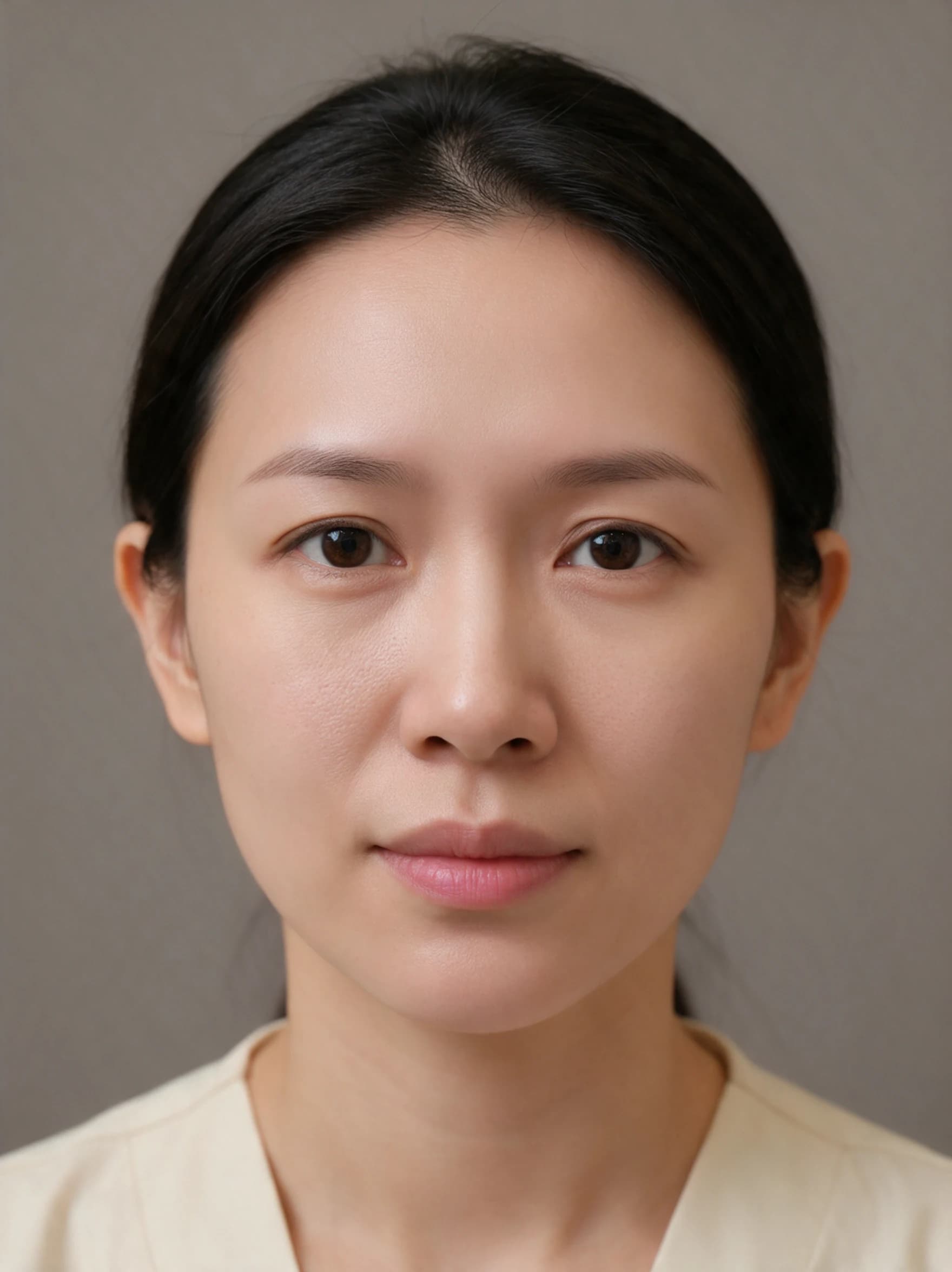
AI-generated educational simulation. Not an actual patient result or a guarantee. Individual outcomes vary.
What does transparent pricing look like before an aesthetic appointment?
Answer: A transparent estimate is dated and itemized — it separates proposed session(s), the named product or device (when relevant), treatment area, included items, taxes and foreseeable add‑ons so you can compare like with like. Do not prepay a package without a clinician‑led assessment.
Evidence & limits: The American Academy of Dermatology advises patients to ask about cost and number of treatments. Promotions and headline prices often omit clinician involvement, device settings or follow‑up visits. Ask what may change the total after an in‑person exam and request the promotion’s eligibility, expiry, deposit and refund terms in writing.
Which documents should an international patient take home?
Answer: Take home a consultation summary, the signed consent, an itemized invoice that matches the estimate, the treatment record (product/device name, area, date when relevant) and written aftercare with a clinical contact route.
Evidence & limits: Korea’s Medical Service Act provides rights to inspect and request copies of records; clinics vary in translation, turnaround and delivery practices. Ask how to request records after you return home, who may receive them with your authorization, and what secure delivery the clinic uses. Keep these documents for any remote review or local medical handoff.
How should you compare clinician, product and procedure safety?
Answer: Compare the clinical process: who assesses you, who performs the procedure, the exact named product or device, realistic benefits and limitations, and the clinic’s escalation pathway for complications. Ask about clinician credentials and specific experience with your skin type or concern.
Evidence & limits: AAD patient guidance and FDA filler guidance treat these as medical decisions: clinician, product, dose, device settings and combinations are individualized. Do not rely on social media images or a package name. Ask the clinician how they would handle specific complications and where to seek urgent care if severe pain, vision change or skin blanching occurs.
What remote follow-up plan should a visitor confirm before flying home?
Answer: Confirm the secure contact route, language support, expected response window, what images or information the clinic will request, whether the remote check is included or a paid consultation, and the clinic’s thresholds for advising local in‑person or emergency care.
Evidence & limits: AAD teledermatology standards stress documented encounters, relevant history and an in‑person option when needed. Remote follow‑up supports continuity but cannot replace the initial in‑person assessment or urgent evaluation. Ask how the clinic documents remote encounters and whether you will receive written follow‑up notes.
A practical pre-booking checklist for international patients
Answer: Before you book, send your goals and relevant history in writing, ask who will perform each clinical step and in which language, request a dated itemized estimate and sample consent, and confirm how records and aftercare will be delivered if you return home.
Evidence & limits: Use Medical Korea or KHIDI for initial comparisons but treat listings as starting points. Do not prepay packages without a clinician‑led in‑person assessment. Ask about emergency escalation for fillers and document the clinic’s remote‑follow plan, response time and secure channel. Ultimately, candidacy, dose, settings and combinations require an in‑person clinician assessment.
Frequently asked questions
Does ‘foreigner-friendly’ simply mean that a clinic has English-speaking staff?
No. Use a practical standard: communication at medical decision points — clinician‑led consultation, understandable consent, written pricing, accessible records and a clear route for after‑travel questions. Confirm which parts are handled by the clinician, coordinator or interpreter.
Should I choose a Seoul aesthetic clinic by its advertised package price?
No. Ask for a dated, itemized written estimate and compare the proposed treatment plan, inclusions, exclusions and promotion terms. A lower headline price may omit clinician involvement, device settings or follow‑up and does not establish candidacy or safety.
What should I ask for after an injectable or device-based treatment in Seoul?
Ask for the treatment record, consent, itemized invoice and written aftercare that include product or device name, treated area and date when applicable, and confirm how to request copies later and who to contact for urgent concerns.
Can remote follow-up replace an in-person consultation or urgent review?
No. Remote follow‑up supports continuity and triage but cannot replace the in‑person assessment required to decide candidacy or to evaluate urgent symptoms. Confirm in advance when you must return for an in‑person review and where to seek emergency care.
Sources and further reading
- Medical Korea — official international-patient portal
- KHIDI — Medical Korea Information Center
- Korean Law Information Center — Medical Service Act
- American Academy of Dermatology — Best questions to ask when considering a cosmetic treatment
- U.S. Food and Drug Administration — Dermal Fillers (Soft Tissue Fillers)
- American Academy of Dermatology — Teledermatology Standards
Medical review required before publishing clinical claims.
Plan a consultation