

Start With the Doctor and Clinic Status
Answer: Begin with the individual clinician and the clinic's verifiable status: who assesses you, who performs the procedure, their training and experience, and how you as an overseas patient can verify that information.
Evidence and next steps: The American Academy of Dermatology advises checking dermatology credentials and preparing questions and medical history before an appointment. The Korea Tourism Organization also lists registration with its Medical Tourism Business Center as a useful status check. Ask for the assessing doctor's full name, licence or specialty detail, frequency of performing the exact procedure you want, and whether the person who evaluates you will also perform the treatment. If not, request a clear handoff plan and written confirmation of roles.
AI consultation simulation
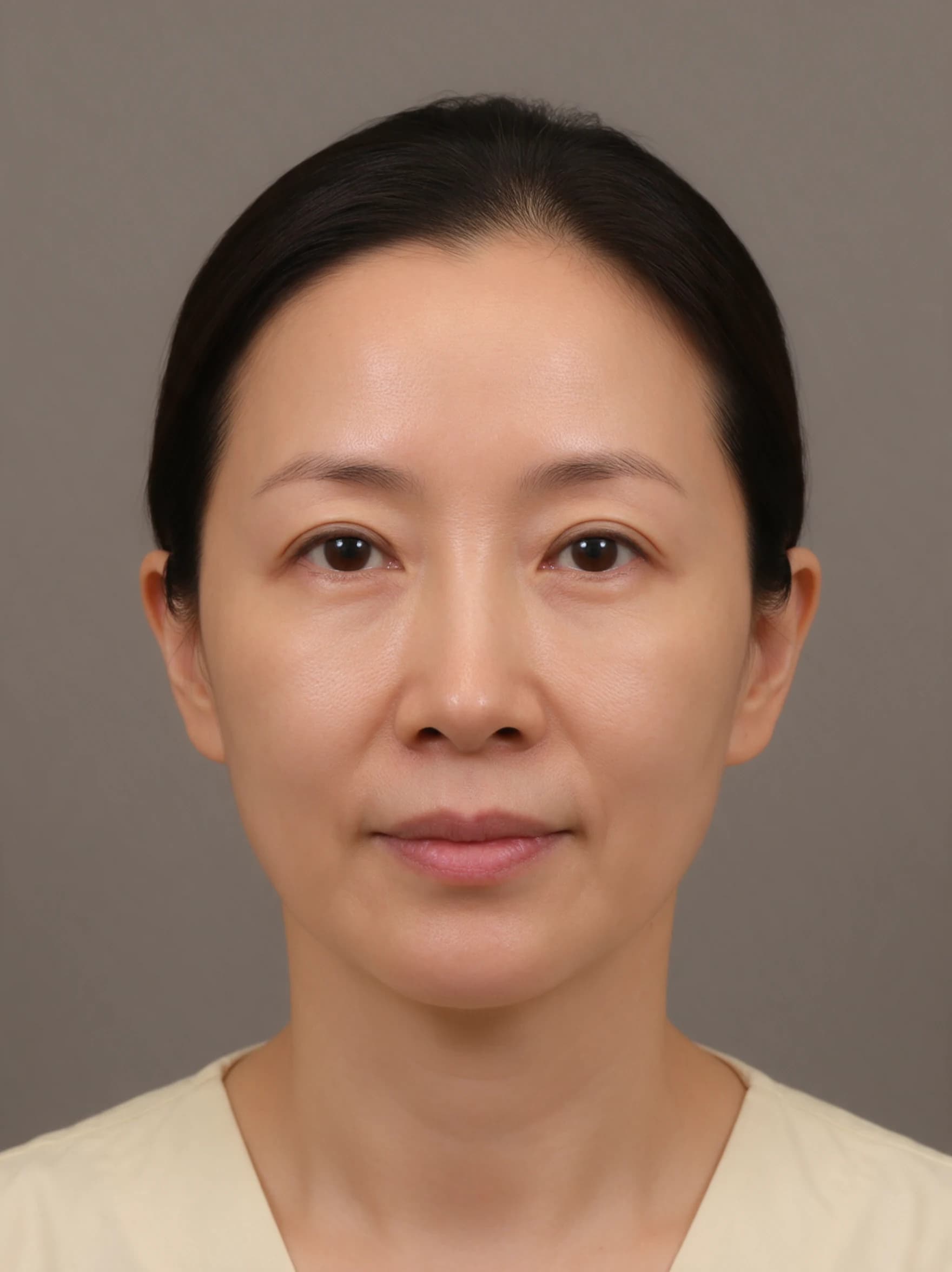
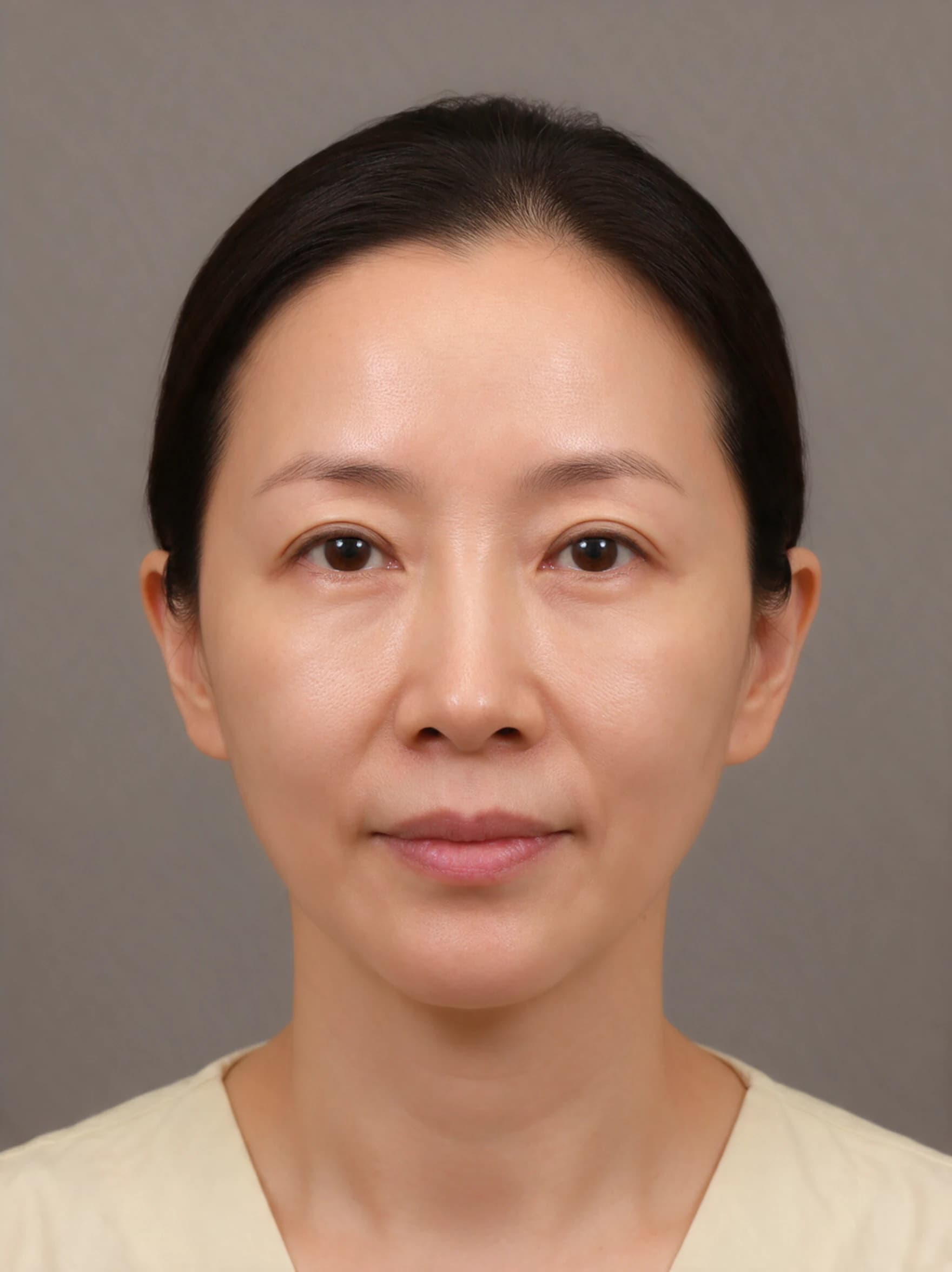
AI-generated educational simulation. Not an actual patient result or a guarantee. Individual outcomes vary.
Use the Consultation to Test Fit, Not to Buy a Package
Answer: The consultation should translate your goal into realistic options, expected benefits and limitations, risks, recovery needs, and alternatives. Treat it as a clinical fit test, not a sales appointment to lock a package without an in-person exam.
Evidence and what to ask: The AAD recommends arriving with goals, downtime limits, and medical history so clinicians can give tailored options. Ask why each option is proposed, realistic outcomes and recovery timelines, and what alternatives—including delaying or deferring—exist. Respect a clinician who recommends staging or declining a treatment; ethical aesthetic practice values patient selection and honest expectation setting. Remember an online chat or photos cannot replace the in-person assessment that determines final candidacy and settings.
Verify Exactly What Will Be Used
Answer: For injectables and energy-based treatments, ask for the exact product or device name, who will use it, the planned treatment area, the rationale for choosing it, and how authenticity and storage are checked before you consent or pay.
Evidence and limits: FDA and CDC guidance warn against unlabelled or unverified injectable sources and recommend licensed, experienced providers using properly labelled products. Ask the clinic for manufacturer and product details, local regulatory status, how they store and authenticate items, and who manages complications. If a clinic cannot identify the product or device before payment, compare other clinics; lack of transparency is a consumer red flag, not evidence that any specific brand is superior.
Compare Safety, Consent, and Aftercare
Answer: Choose the clinic whose safety and aftercare you can understand and act on: clear explanations of material risks, expected recovery, who to contact for concerns, and escalation pathways should be provided before treatment.
Evidence and patient questions: AAD guidance says cosmetic consultations must cover indications, risks, benefits and alternatives. The FDA highlights serious filler risks (including vascular events and blindness) and the CDC lists urgent symptoms after botulinum toxin. Ask for written benefits, common and serious risks, likely downtime, preparation and step-by-step aftercare, and clear emergency contacts—especially if you will travel soon after treatment. Avoid clinics that promise guaranteed results.
Make a Travel-Ready Comparison Before Booking
Answer: For international patients, compare clinics whose complete care pathway fits your health needs and travel timeline—get written plans, transparent pricing, inclusion/exclusion details, recovery logistics, and clear follow-up access before you book.
Evidence and traveller checklist: The Korea Tourism Organization guides patients to registered providers and the AAD highlights consultation preparation. Ask for a written summary of the proposed procedure(s), treating clinician, product/device names, estimated sessions, expected recovery and what the quoted fee covers. Build itinerary time for an in-person assessment and possible plan change. Request copies of consent, treatment records, and emergency contacts for continuity with clinicians at home if required.
Distinguish Medical Dermatology, Aesthetic Medicine, and Skincare
Answer: Medical dermatology diagnoses and treats disease; aesthetic medicine performs medically supervised procedures for appearance; non-medical skincare focuses on daily skin health and cosmetics. The best clinic for you depends on whether your concern is a medical condition, a procedural aesthetic goal, or routine skincare.
Evidence and practical questions: Ask whether your concern requires a medical diagnosis or a cosmetic approach and who within the clinic is responsible for each. For acne, rashes or suspicious lesions seek a dermatologist. For injectables, lasers and energy devices, ask about medical oversight and clinician credentials. For topical cosmeceuticals and maintenance, confirm whether advice comes from a dermatologist, aesthetic physician, or aesthetician—each has different training and regulatory scopes.
Frequently asked questions
How can I compare skin clinics in Seoul without relying on rankings?
Answer: Use one consistent checklist—verify the clinician and clinic status, test the consultation for individualized reasoning, identify the exact product or device, review risks and aftercare, and compare travel-ready follow-up in writing. Rankings show popularity, not individual fit; suitability requires an in-person assessment.
Should I choose a clinic based on the number of devices it has?
Answer: No. Device counts do not show whether a device is appropriate for you or who will operate it. Ask for the exact proposed device, the clinician's relevant experience, the intended treatment area, alternatives, risks, and why this plan fits your assessment.
What should I ask before Botox or dermal filler in Seoul?
Answer: Ask who will inject, whether they are licensed and trained, the exact product name and source, the intended treatment area, risks, aftercare, and who manages complications. FDA and CDC guidance support avoiding self-injection and products from unlicensed or unclear sources.
Can an online consultation decide my treatment plan?
Answer: No. Online consultation can help with initial questions and clinic comparison but cannot replace the in-person medical assessment required to determine candidacy, settings, dose, product selection, or combinations. Expect plans to change after a face-to-face exam.
Sources and further reading
- American Academy of Dermatology — How to select a dermatologist
- American Academy of Dermatology — Best questions to ask when considering a cosmetic treatment
- U.S. Food and Drug Administration — Dermal Filler Do's and Don'ts for Wrinkles, Lips and More
- U.S. Centers for Disease Control and Prevention — How to Stay Safe When Getting Botulinum Toxin Injections
- Korea Tourism Organization — Criteria for recommending a hospital or clinic to a foreign patient
- Peer-reviewed article — The ethical foundations of patient-centered care in aesthetic medicine
Medical review required before publishing clinical claims.
Plan a consultation