

Start with a skin-quality goal, not a skin-booster brand
Answer: A useful consultation separates hydration, texture or radiance goals from volume or lifting requests. ‘Skin booster’ is an umbrella marketing term that can cover different materials and clinical intents; defining the observable problem lets the clinician recommend a category or alternative that matches your aim.
Explain: Peer-reviewed summaries (Ghatge et al., 2023) frame HA-based injections around measurable skin-quality outcomes rather than promising a single universal transformation. Tell your clinician if you mean dehydrated-looking skin, fine lines, uneven texture or volume loss — each has different options and risks. Ask your clinician to explain why the chosen product fits the stated goal and what it will not correct. Remember that candidacy, dose, injection plane and combinations need an in-person assessment.
AI consultation simulation
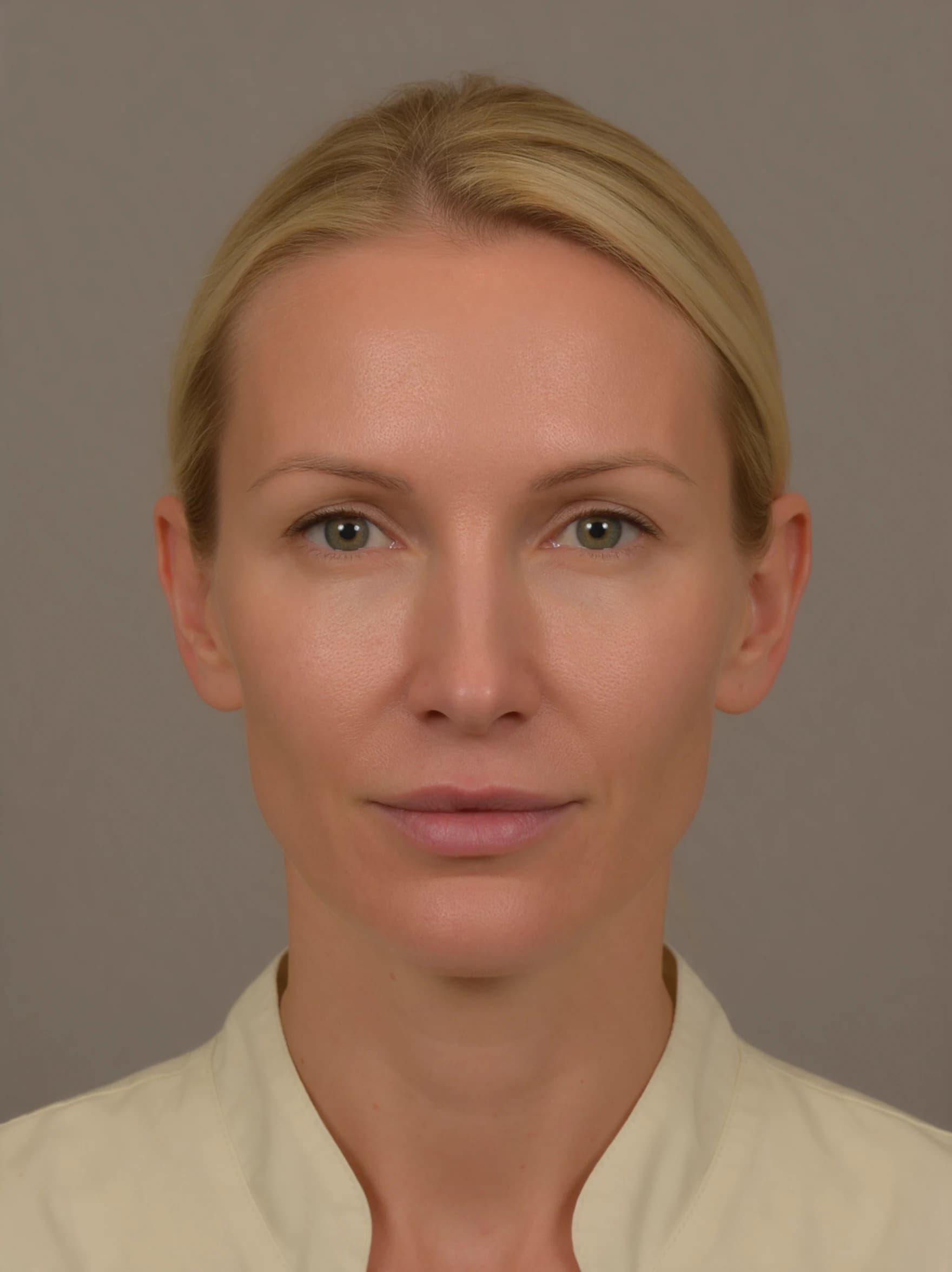
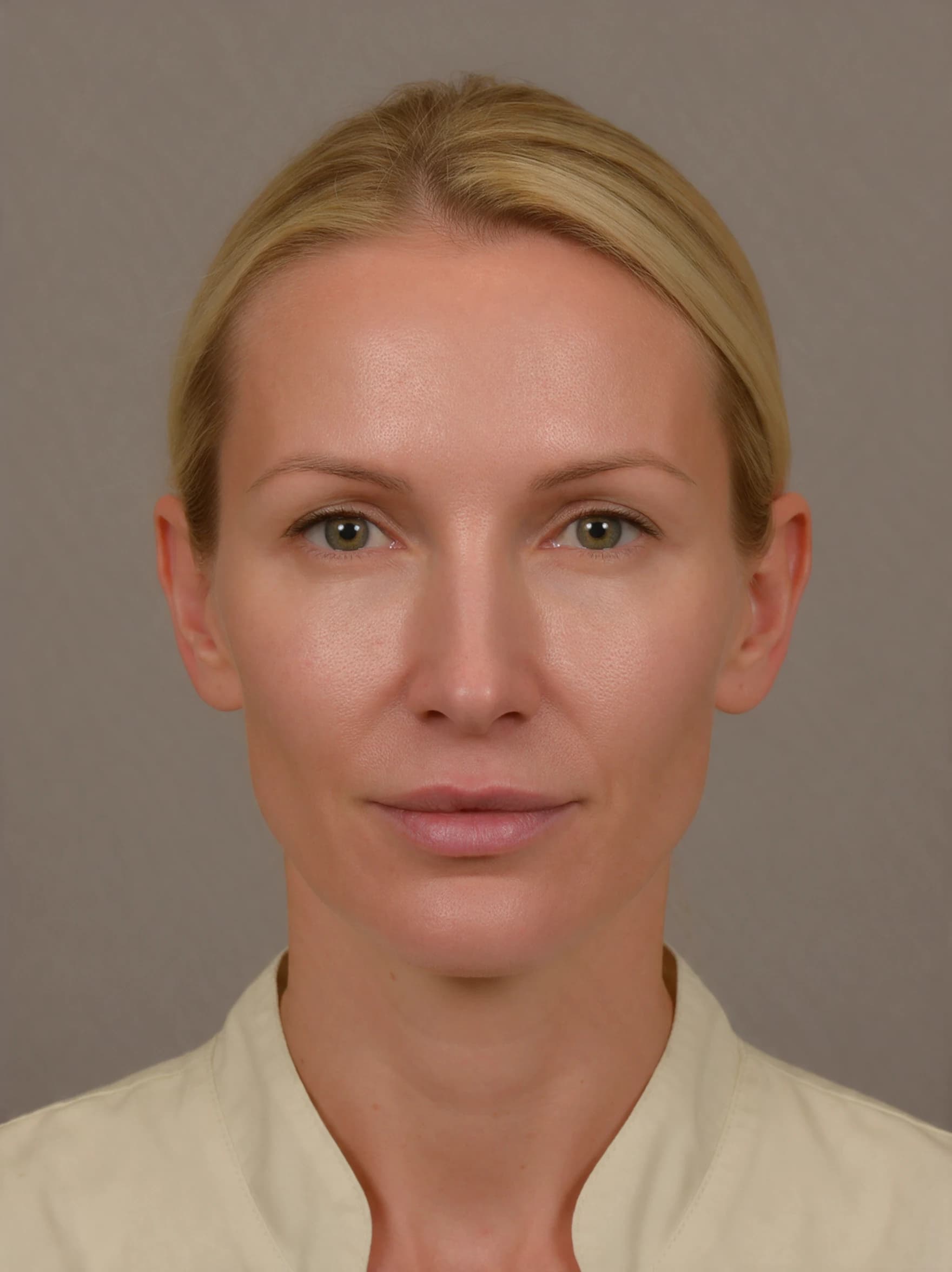
AI-generated educational simulation. Not an actual patient result or a guarantee. Individual outcomes vary.
HA has the clearest skin-quality evidence, while other categories need a more cautious comparison
Answer: Injectable HA shows the most directly relevant reviewed evidence for hydration, firmness and texture improvements, but the literature includes small, sometimes biased studies and limited long-term follow-up. PN and collagen-stimulating injectables (e.g., PLLA) are discussed in aesthetic practice but need product-specific evidence review.
Explain: The 2023 systematic review (Ghatge et al.) reports promising outcomes for HA while urging larger randomized trials. Lee et al. (2024) describes polynucleotides in practice but notes lower-level evidence for many uses. PLLA is a biostimulatory filler focused on structure and volume rather than being a one-to-one substitute for hydration-driven skin boosters (ASDS). Ask clinicians to show the evidence for the exact product and its intended use in Korea; avoid generalizing approvals or indications across countries or facial areas.
Injection method is part of the treatment—not a menu add-on
Answer: Injection plane, instrument and volume are clinical decisions tied to product and anatomy. HA skin-quality protocols often place small amounts into the dermis; other injectables use different planes and techniques. A consultation should explain entry points, expected temporary marks and the complication plan before you consent.
Explain: The HA literature describes intradermal delivery for skin-quality effects (Ghatge et al.). FDA guidance emphasizes that injection site and technique influence risks and outcomes, and that trained clinicians with anatomy knowledge should perform the procedure. Ask whether a needle or cannula will be used, why that choice suits the product and area, and how possible temporary marks, swelling or bruises are managed. Do not treat filler injection as a non-medical spa service; the AAD labels it a medical procedure.
For ‘best skin booster Seoul’ searches, compare safety signals before price or hype
Answer: There is no single best product or clinic. Use transparent checklists: provider qualifications and medical setting; exact product name, batch and provenance; clear consent, risk explanation and a follow-up/emergency plan. For international patients, check language, written aftercare and contact options after you leave Seoul.
Explain: FDA and AAD guidance recommend licensed, trained clinicians and discuss product labeling, risks and injection sites. Korea’s KAHF outlines accreditation elements for foreign-patient services but does not replace asking each clinic for current credentials. Price can reflect location or promotion but does not guarantee authenticity, safety or clinician skill. Ask for written consent in a language you understand, a local emergency contact, and how urgent issues will be escalated if you return home.
Aftercare is usually simple, but certain warning signs need prompt medical help
Answer: Expect temporary redness, swelling, tenderness or bruising after injectable skin-quality treatments; most effects resolve in days to a couple of weeks. Follow the treating clinician’s written aftercare—avoid strenuous exercise the same day, sun/indoor tanning and touching treated areas unless instructed otherwise.
Explain: AAD and FDA patient guidance note common short-term effects and typical timelines, while ASDS emphasizes product-specific aftercare (for example, PLLA has distinct massage instructions when indicated). Urgent signs include unusual pain during or after treatment, vision changes, and pale/gray/blue skin near an injection site—these require immediate medical attention. If active infection or inflammation is present, procedures should be deferred until managed. Ask for written aftercare in a language you understand and an emergency contact before leaving the clinic.
Transparent consultation checklist: what to ask and confirm
Answer: Before consenting, confirm: who will inject (name, qualification), the treatment setting (medical clinic), exact product name, manufacturer, lot/expiry, intended area, expected temporary effects, serious risks and an escalation/emergency plan. For travelers, also confirm language support, written aftercare in your language and how urgent complications will be managed if you return home.
Explain: FDA, AAD and KAHF-related guidance support these items: trained/licensed injectors; product labeling and traceability; and foreign-patient services such as interpretation and emergency pathways. Ask for written consent and aftercare you can understand and a documented contact method for concerns after you leave. Remember that candidacy, dose and injection plane require in-person assessment — a price list or social-media photo cannot substitute a medical exam.
Frequently asked questions
What is a skin booster?
Skin booster is a non-standardized aesthetic term for injectable approaches intended to improve skin quality — hydration, texture or radiance — rather than adding volume. It can refer to HA, PN or other materials; the exact product, evidence and risks matter more than the marketing label. HA has the clearest review evidence for hydration-related facial outcomes, but stronger long-term trials are still needed.
Are skin boosters the same as dermal fillers?
Not necessarily. Some HA injections are used intradermally to support hydration and texture, while traditional dermal fillers are typically placed deeper for contour or volume. Collagen-stimulating injectables (like PLLA) act via gradual tissue response and are focused on structure and volume rather than being direct substitutes for hydration-focused boosters. The clinician should explain the proposed product, plane and goal before treatment.
How should I choose a skin-booster clinic in Seoul?
Confirm that injections are performed in a medical setting by a licensed, injection-trained clinician; request the exact product name, manufacturer and lot/expiry; ask why it fits your stated goal; get written consent and aftercare in a language you understand; and confirm the clinic’s follow-up and emergency process. For international patients, also confirm interpretation and how complications will be handled if you leave Korea. Do not rely on ‘best clinic’ lists without checking these items.
What aftercare and warning signs should I know?
Follow the treating clinician’s written aftercare. General AAD/FDA advice includes icing briefly, avoiding strenuous activity the same day, avoiding sun/tanning and not touching treated sites unless instructed. Expect common short-term redness, swelling and bruising. Seek immediate medical attention for unusual pain, vision changes, or pale/gray/blue skin near the injection site — these may indicate vascular compromise or other serious events.
Sources and further reading
- U.S. Food and Drug Administration — Dermal Fillers (Soft Tissue Fillers)
- American Academy of Dermatology — Fillers: FAQs
- Ghatge et al. — The Effectiveness of Injectable Hyaluronic Acid in the Improvement of the Facial Skin Quality: A Systematic Review (2023)
- Lee et al. — Polynucleotides in Aesthetic Medicine: A Review of Current Practices and Perceived Effectiveness (2024)
- American Society for Dermatologic Surgery — Injectable Poly-L-Lactic Acid
- Korea Tourism Organization — Korean Accreditation Program Hospitals for Serving Foreign Patients (KAHF)
Medical review required before publishing clinical claims.
Plan a consultation