

What happens at a Seoul dermatology clinic intake?
Answer: A useful intake turns an online interest into a clinical conversation: establish your goals, relevant medical and procedural history, skin assessment and travel constraints before selecting any treatment. Intake is not a definitive diagnosis or a guarantee that a requested procedure is appropriate.
Explanation and evidence: Professional guidance from the American Academy of Dermatology and a 2025 international expert consensus both place medical history, exploration of motivations and an in-person skin examination (often with baseline photographs) before planning aesthetic procedures. Ask who conducts the medical consultation, who will perform each procedure and how consent and aftercare will be documented in your language.
AI consultation simulation
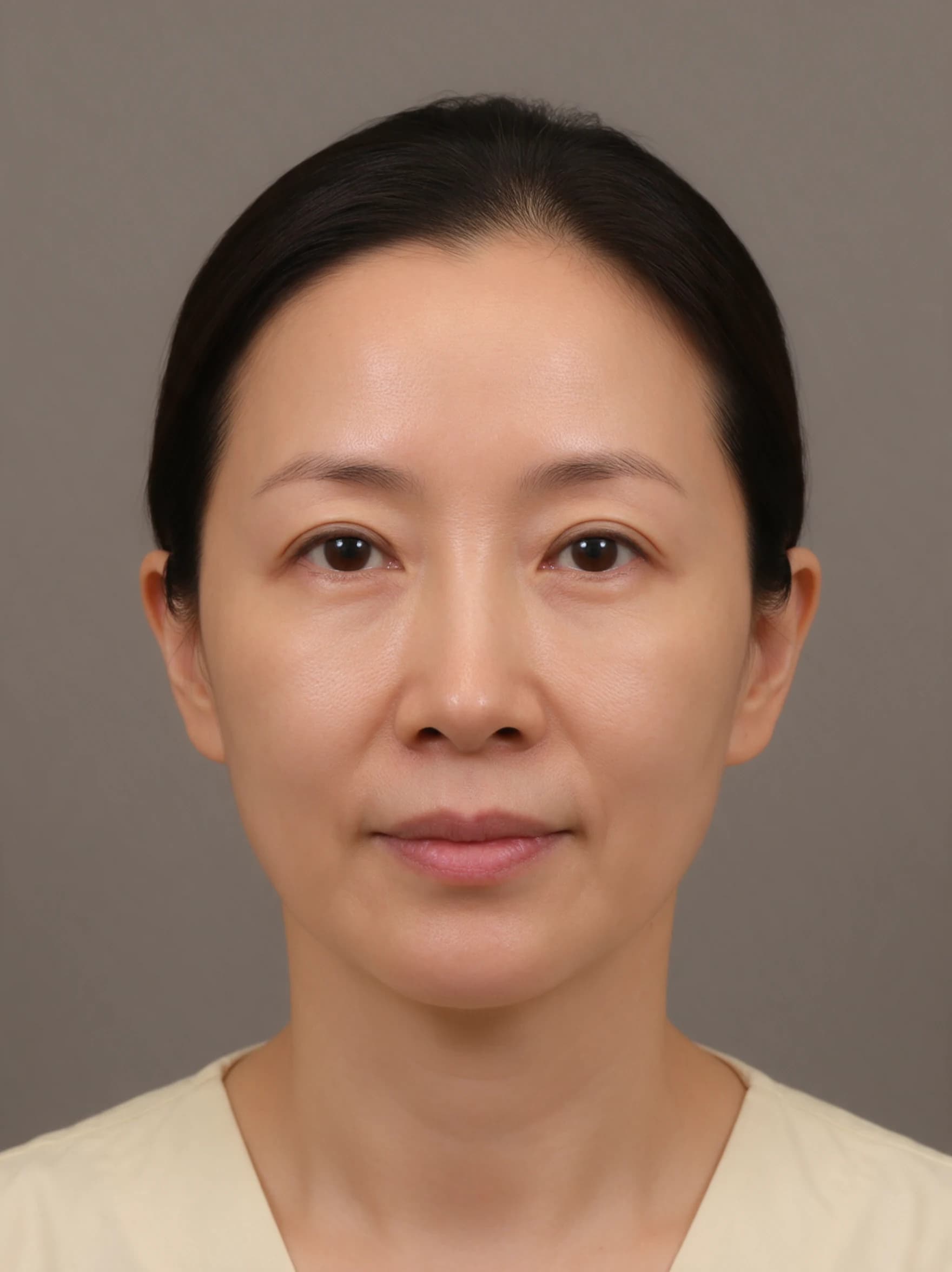
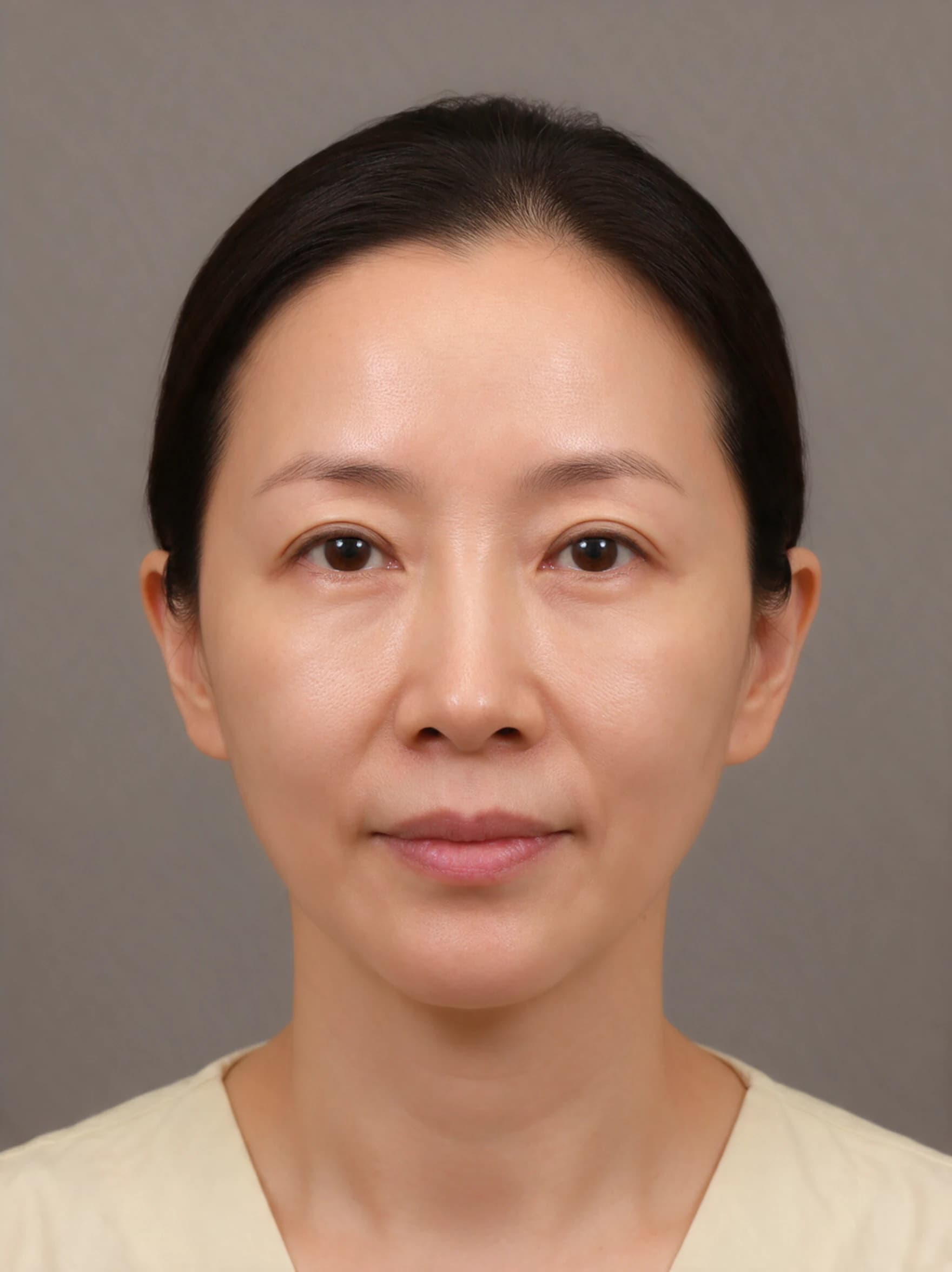
AI-generated educational simulation. Not an actual patient result or a guarantee. Individual outcomes vary.
How should you compare Seoul dermatology clinics before booking?
Answer: There is no universally best Seoul dermatology clinic. Use a checklist that prioritizes named-clinician credentials and role, experience with the exact procedure and relevant skin types, transparent product and device information, realistic recovery expectations, cost breakdown and emergency or urgent-contact arrangements.
Explanation and evidence: The American Academy of Dermatology recommends asking about qualifications, experience, realistic results, risks, recovery, aftercare and cost. The FDA advises confirming exact filler product names, training and authenticity for injectable treatments. Ask for written cost estimates and whether the clinician has experience with patients who share your skin characteristics and concerns.
What should happen on the treatment day?
Answer: Treatment day should begin with a final safety and consent check, confirmation of the in-person plan and a chance to ask questions; do not treat online requests or package menus as fixed prescriptions. The clinic should confirm the product or device where applicable and provide written aftercare before you leave.
Explanation and evidence: AAD guidance frames cosmetic consultations around realistic expectations, risks and recovery. Manufacturer resources (e.g., Ultherapy PRIME) illustrate that procedure duration, immediate effects and common side effects vary by device and area. Candidacy, device settings, injection dose, product choice and combinations require in-person assessment; ask the clinician to identify the exact product or device and their intended use and to explain comfort measures and expected recovery.
What aftercare and follow-up should international patients plan?
Answer: Aftercare must be individualized and written; confirm what is normal for your procedure, activity and product restrictions, when travel or work is safe, and an urgent-contact route before you leave Seoul. Do not rely on generic online routines in place of the treating clinician's instructions.
Explanation and evidence: A 2025 international consensus advises gentle skincare and sun protection during follow-up for certain procedures in patients with skin of color and outlines typical 1–7 day and 1–4 week windows for early review. The FDA warns that for dermal fillers, unusual pain, vision changes or pale/gray/blue skin near the injection site require immediate attention. Ask how photos or remote review will be handled and whether a staged review is planned after you return home.
How can a visitor leave Seoul with a safer continuity plan?
Answer: Before departure, keep a written visit summary with treatment date, named clinician, procedures and product or device details; secure an agreed escalation plan and a clinic follow-up contact. Administrative dispute routes exist in Korea, but they are not a substitute for urgent medical care.
Explanation and evidence: Request a visit summary to present to a home clinician if needed. FDA advice on fillers underscores knowing urgent signs (vision change, severe pain, pale/gray/blue skin). Korea's K-MEDI and KHIDI provide English-language mediation and foreign-patient support resources; these administrative channels aid dispute resolution and patient rights but do not manage acute medical problems. Ask clinics how they will share records or images with your local clinician if required.
Distinguishing medical dermatology, aesthetic medicine and non-medical skincare
Answer: Medical dermatology diagnoses and treats skin disease; aesthetic medicine provides regulated medical procedures (injectables, lasers, device treatments) for cosmetic goals; non-medical skincare includes over-the-counter products and routines. Each has different risks, consent and follow-up needs.
Explanation and evidence: The AAD frames cosmetic consultations as medical interactions requiring informed consent and risk discussion. FDA labeling treats dermal fillers as medical devices with procedure-specific risks. Non-prescription skincare may support recovery but cannot replace clinician instructions or medical procedures. Ask whether your concern is a clinical dermatology problem that needs diagnosis before elective aesthetic planning.
Frequently asked questions
What should I bring to a Seoul dermatology consultation?
Bring concise medical and procedure history, current medications and supplements, allergies, records or photos of prior procedures or reactions, baseline photos of the treatment area, and a written list of goals and questions. Ask the clinic in advance if a translated document or interpreter is needed.
Can I choose a treatment online before traveling to Seoul?
You may research options and prepare questions online, but a formal treatment choice requires an in-person medical assessment. Candidacy, settings, dose, product, sequence and combinations need history, examination and clinician discussion before a prescription or plan is final.
How long should I stay in Seoul after a dermatology procedure?
There is no universal safe number of days. Recovery varies by procedure, treated area, individual skin response and medical history. Ask the treating clinician for a procedure-specific recommendation before booking return travel and arrange an urgent-contact plan for after you leave Korea.
How do I find the best Seoul dermatology clinic for me?
No clinic is best for everyone. Use a transparent checklist: confirm the named clinician's qualifications and role, experience with the exact procedure and similar skin types, product or device details, alternatives and risks, realistic recovery expectations, written total costs, language support, aftercare and urgent-contact and follow-up plans.
Sources and further reading
- American Academy of Dermatology — Best questions to ask when considering a cosmetic treatment
- U.S. Food and Drug Administration — Dermal Fillers (Soft Tissue Fillers)
- Journal of Cosmetic Dermatology — Periprocedural skincare for nonenergy and nonablative energy-based aesthetic procedures in patients with skin of color
- Ultherapy PRIME — Frequently Asked Questions
- Korea Health Industry Development Institute (KHIDI) — Global healthcare mission
- Korea Medical Dispute Mediation and Arbitration Agency — English portal
Medical review required before publishing clinical claims.
Plan a consultation