

How should you choose and book a dermatologist in Seoul?
Choose a consultation process, not a promise. Before booking, confirm who will assess you, how your goals and health information will be reviewed, how the clinic communicates in a language you understand, and how it will handle post-visit questions—especially if you are travelling internationally.
Evidence-based patient guidance from the American Academy of Dermatology recommends asking about physician credentials, experience with comparable skin types, what the consultation includes, risks and recovery. Ask clinics about interpreter services, written follow-up where relevant, and who answers urgent clinical questions while you travel.
AI consultation simulation

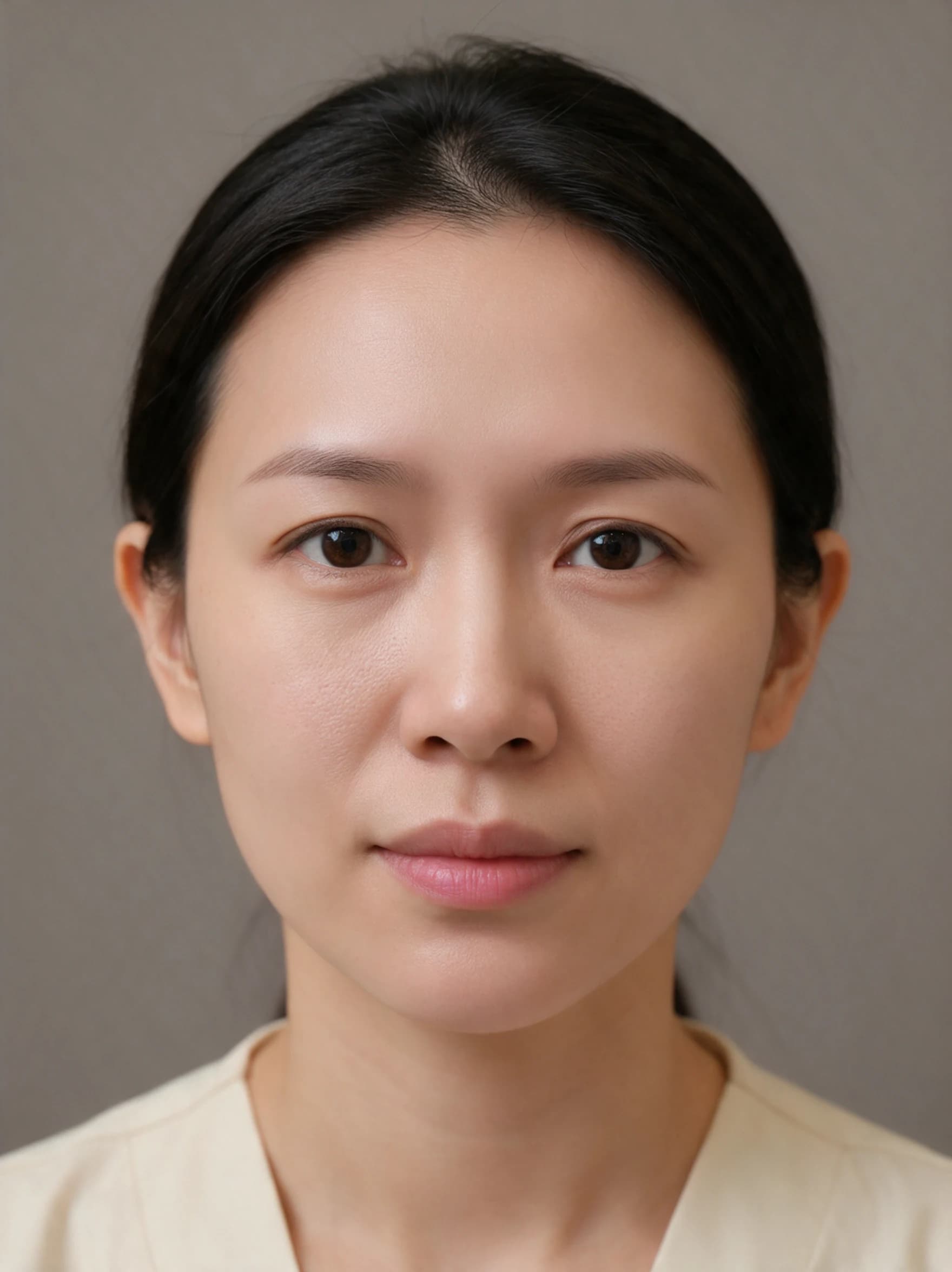
AI-generated educational simulation. Not an actual patient result or a guarantee. Individual outcomes vary.
What happens during an in-person dermatology assessment?
An assessment should clarify your concern before a treatment is selected. It is the moment to describe goals, review medicines and allergies, examine the area in person, and decide whether aesthetic treatment is appropriate, needs staging, or should be deferred.
The 2024 patient-journey consensus highlights screening and assessment as opportunities to set goals, record medical history and medications, take pretreatment photographs and discuss risks and benefits. Ask whether the clinician will examine you in person rather than selecting treatment solely from photos or pre-travel requests.
How should a dermatologist build a treatment plan for you?
A treatment plan should connect your stated goal with an individualized option, realistic trade-offs, and a follow-up plan. It must not be a fixed package: candidacy, device/settings, dose, product choice and sequencing are clinical decisions made after in-person assessment.
The 2024 consensus and FDA device guidance recommend discussing expected benefits, limitations, downtime, number of visits, and risks. For injectables and combinations, ask which product and who will administer it, and agree a staged approach if you are travelling or have limited recovery time.
What should you confirm before consenting to a dermatology procedure?
Before consenting, make sure you understand the procedure, who will perform it, realistic expectations, expected recovery, alternatives, costs, and the plan for complications. Aesthetic care is medical care; availability of a device or injectable does not alone justify treatment.
The AAD advises asking about clinician training and experience for the exact procedure and reviewing common and rare risks. For dermal fillers, FDA guidance lists common side effects (bruising, swelling, redness) and rare vascular/vision complications—ask how the clinic would address these scenarios and what documentation you will receive.
How should follow-up work when you are visiting Seoul?
Follow-up should be planned before treatment, not improvised after you leave Seoul. Confirm check-in timing, who reviews concerns, how records and aftercare instructions will be shared, whether travel limits review, and when in-person or urgent local care is needed.
Consensus and FDA guidance both emphasise documenting procedures and advising patients about urgent symptoms. Obtain written aftercare and a record of products/devices used; plan accommodation and return travel around recovery and the clinic’s recommended review rather than promotional timing.
Medical dermatology, aesthetic medicine and non-medical skincare: where they differ
Medical dermatology diagnoses and treats skin disease, often involving prescription medicines, biopsies or systemic care; it prioritises safety and disease control. Aesthetic medicine uses medical procedures (lasers, injectables, energy devices) to alter appearance and requires medical assessment, consent and appropriate follow-up.
Non-medical skincare covers over-the-counter cleansers, sunscreens and cosmetics that support skin health but do not replace medical assessment for lesions or complex conditions. Ask your Seoul clinician which category your concern falls into and whether a medical or cosmetic pathway is appropriate.
Frequently asked questions
How do I compare dermatologists in Seoul without relying on 'best clinic' claims?
Use a documented checklist: confirm who will assess and treat you, ask about relevant credentials and experience with the proposed procedure and comparable skin profiles, request written options/risks/recovery/cost, and compare clarity of answers and follow-up plans. No checklist can identify a single ‘best’ clinic for every patient.
Can a consultation and treatment happen on the same day in Seoul?
It may be possible but should not be assumed. The clinician must first perform an in-person assessment and may recommend staging, postponement, a different option, or no procedure. Allow time to decide after risks, benefits, alternatives, recovery and follow-up are explained.
What should I bring to a dermatology appointment in Seoul?
Bring identification, a concise medical history, current medicines and supplements, allergy information, prior procedures and complications, and clear travel dates. Tell the clinician about active irritation, infection or health conditions that could affect candidacy. Full disclosure helps clinicians recommend safe options.
What should I do if I have concerning symptoms after an injectable treatment?
Follow the clinic’s urgent-contact plan and seek immediate medical attention for unusual pain, vision changes, white/gray/blue skin near the injection site, or stroke-like symptoms. These FDA-listed warning signs for dermal fillers require prompt evaluation; do not wait for routine online follow-up when symptoms suggest vascular compromise or vision loss.
Sources and further reading
- American Academy of Dermatology — Best questions to ask when considering a cosmetic treatment
- American Academy of Dermatology — Your safety
- U.S. Food and Drug Administration — Aesthetic (Cosmetic) Devices
- U.S. Food and Drug Administration — Dermal Fillers (Soft Tissue Fillers)
- Philipp-Dormston et al. — The Patient Journey in Facial Aesthetics (2024)
- Korea Tourism Organization — Tips on Korean Medical Tourism that Foreign Patients Should Know
Medical review required before publishing clinical claims.
Plan a consultation