

How should international patients verify a Korea dermatology clinic?
Answer: Start with the individual physician and the clinic’s ability to communicate and document care. Request the treating clinician’s full Korean and English name, stated specialty, and exact role: who examines you, who decides the plan, who performs the procedure, and who supervises delegated steps.
Evidence and limits: Use the Association of Korean Dermatologists’ specialist verification and Medical Korea listings for logistics. These sources verify specialty and contact details but do not rate clinical quality or predict outcomes. Ask the clinic how they will support interpretation, consent, privacy, and who will be your named clinician during each step.
AI consultation simulation
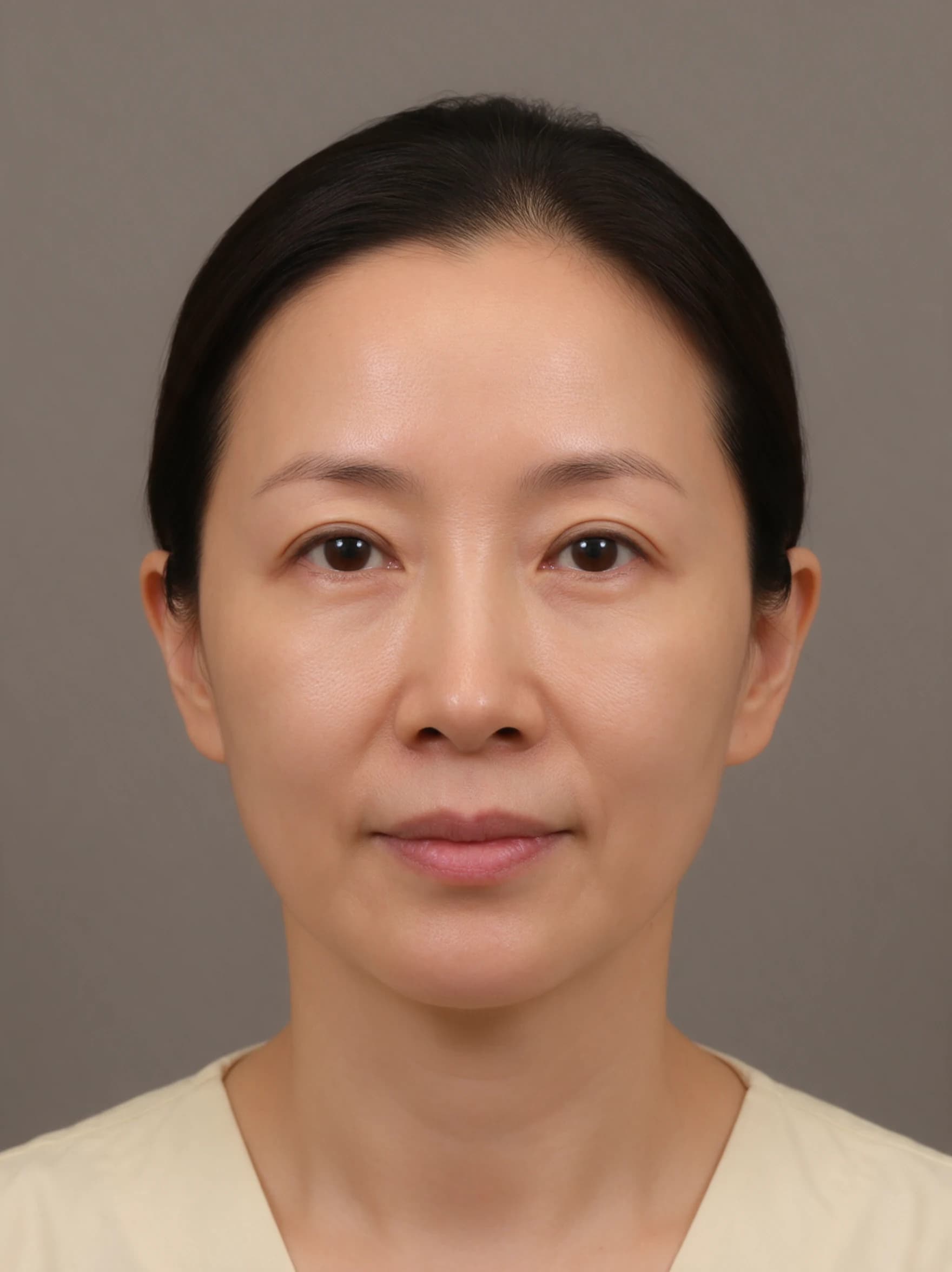
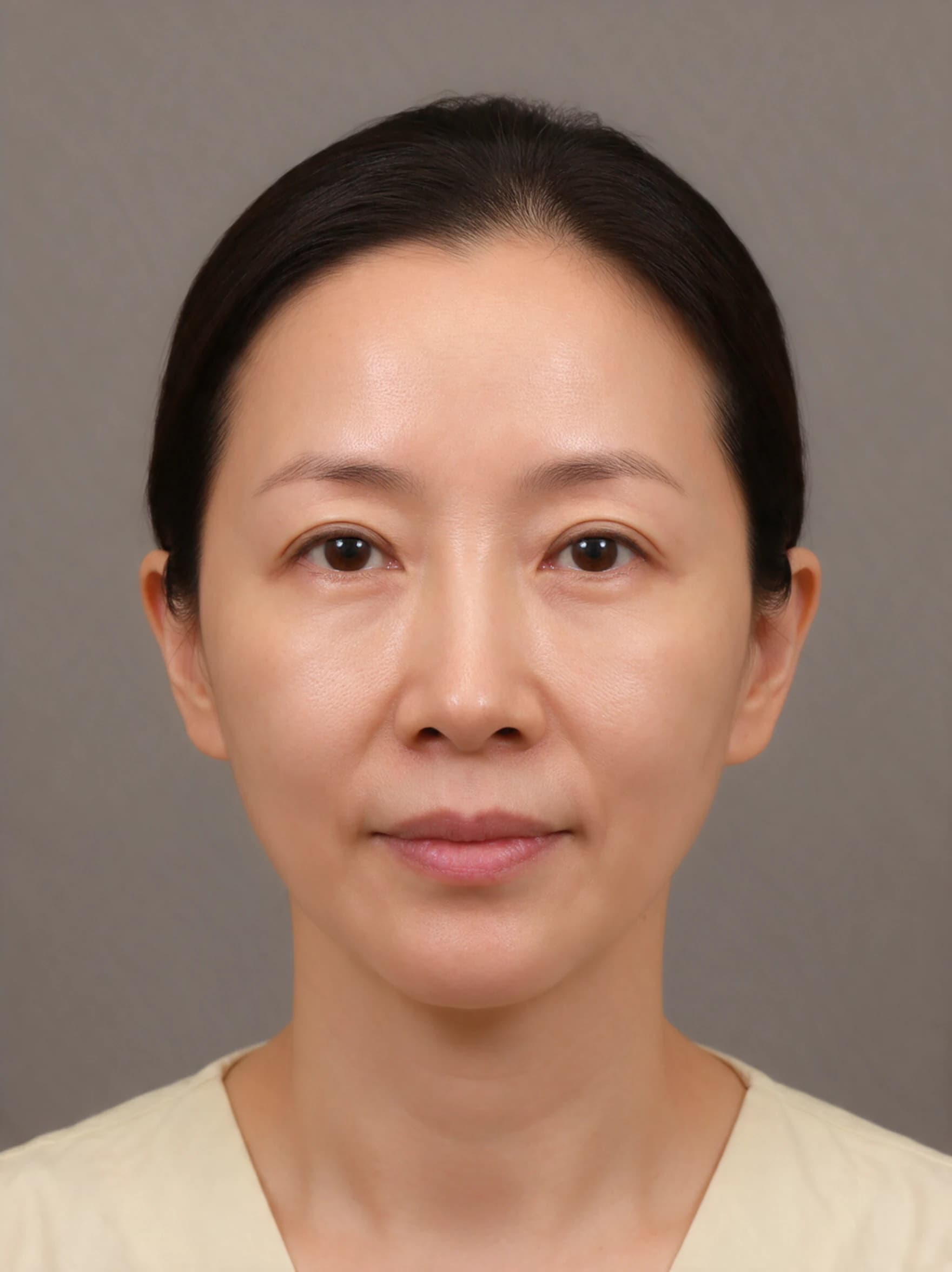
AI-generated educational simulation. Not an actual patient result or a guarantee. Individual outcomes vary.
What should a Korea dermatology consultation decide before any procedure?
Answer: A consultation must determine whether a proposed treatment is appropriate for you and your trip. It should include an in-person review of your concern, medical history, medications and prior procedures; discuss alternatives, realistic limits, recovery, risks, and total cost; and give you space to defer or decline.
Evidence and limits: The American Academy of Dermatology emphasizes that cosmetic procedures need medical knowledge of skin and anatomy; the 2025 Korean dermatologist survey shows clinicians individualize plans. These sources support individualized in-person assessment. Ask the clinician to name the tested concern, explain alternatives, state what findings would change the plan, and map recovery against your travel dates.
How should you compare prices and obtain medical records?
Answer: Compare itemized, like-for-like quotes and get a portable treatment summary before you leave. Ask for a written estimate that lists consultation, procedure, product or device, expected visits, review fees, taxes or facility charges, and optional extras; request a written treatment summary, consent, and aftercare instructions in a language you understand.
Evidence and limits: Korea’s Medical Service Act requires medical records and retention, but language and format vary by clinic. A written, itemized estimate prevents comparing a headline package to an all-inclusive plan. Confirm how plan changes after the in-person assessment affect cost, deposit and cancellation terms, and how you will receive copies or translations of your records.
What aftercare and travel plan should you have before treatment?
Answer: Treat aftercare as part of the treatment decision—confirm review timing, clinic contact routes (routine and urgent), written aftercare instructions, and whether a pre-departure review is included. Map recovery restrictions against your flights, sun exposure, events, and ability to return for urgent review if needed.
Evidence and limits: Medical Korea listings can show international-contact details but clinics control escalation pathways. FDA filler guidance lists urgent warning signs (severe pain, vision change, white/gray/blue skin, stroke symptoms); ask the clinic how they handle urgent complications and where to seek in-person care if you have left Seoul. Do not assume remote follow-up substitutes for urgent, in-person assessment.
How do you choose the ‘best’ Korea dermatology clinic for you?
Answer: No clinic is universally best. Use a transparent checklist and score process quality: verifiable clinician credentials, consultation willingness to change plans, understandable consent, itemized costs, record portability, and a credible follow-up plan. Apply the same checklist to ANTIAN CLINIC and all alternatives.
Evidence and limits: This selection framework is built from Association of Korean Dermatologists credential guidance, AAD safety principles, Korea’s Medical Service Act for records, and FDA filler-safety context. These sources support process checks; they do not rate clinics or promise outcomes. Candidacy, device settings, dose, product and combinations must be decided in person.
Practical checklist for international patients and travelers
Answer: Before booking, ask for the treating clinician’s full name and role, a sample itemized estimate, interpretation support, deposit and cancellation terms, and whether a pre-departure review is included. Before leaving Seoul, obtain a treatment summary, consent record, product/device details, aftercare instructions, and named routine and urgent contacts.
Evidence and limits: These items operationalize the Association of Korean Dermatologists’ credential checks, Medical Korea logistics listings, Korea’s Medical Service Act on recordkeeping, and AAD/FDA safety principles. They do not guarantee outcomes or substitute for clinical judgment. Keep copies of records, and tell your home clinician what was done if you seek follow-up care.
Frequently asked questions
How do I verify a dermatologist at a Korea dermatology clinic?
Ask for the treating physician’s full name, stated specialty, and exact role in consultation and procedure. Use the Association of Korean Dermatologists’ specialist-verification tool as one check and ask the clinic to explain who will assess, perform, and supervise care. A verified credential is important, but it does not alone determine candidacy or guarantee outcomes.
Should I choose my device, injectable, or package before traveling to Seoul?
You can research and prepare questions, but the clinical choice should follow an in-person assessment. The treating clinician must review your skin, anatomy, medical history, prior procedures, goals and travel schedule before determining candidacy, settings, dose, product, or combinations. A safe plan can include deferring or declining treatment.
What records should I take home after dermatology treatment in Korea?
Before departure, request a usable treatment summary, consent and aftercare instructions, the treating clinician’s name and contact, and product/device details and procedure date. Ask for an English (or your language) version and how records can be shared with your home clinician. Korea’s Medical Service Act requires records be kept, but availability and translation vary by clinic.
How should I compare dermatology clinic costs in Seoul?
Compare written, itemized scopes of care—not headline package prices. Confirm what is included: consultation, planned procedure, product or device, expected visits, review, taxes/facility fees, optional add-ons, deposits, cancellation terms, and how plan changes after assessment are handled. Evidence and limits: An itemized comparison reduces surprise charges and makes apples-to-apples comparisons possible. Prices published online or as marketing packages may omit exclusions. A final price can change after the in-person assessment, so ask the clinic how they communicate and document that change.
Sources and further reading
- Medical Korea — Official international-patient portal
- Association of Korean Dermatologists — How to distinguish dermatology specialists
- Korea Law Information Center — Medical Service Act
- American Academy of Dermatology — Your safety
- U.S. Food and Drug Administration — Dermal Filler Do’s and Don’ts
- Oh et al. — Real-World Clinical Practice on Skin Rejuvenation Among Korean Board-Certified Dermatologists
Medical review required before publishing clinical claims.
Plan a consultation