
Answer‑first overview
Short answer: Ultherapy (focused ultrasound) and medical radiofrequency (RF) are both non‑surgical lifting options offered in Cheongdam, Gangnam, but they act by different mechanisms and may be planned alone or in staged combinations. International patients should expect an in‑person consultation in Seoul to determine candidacy, energy settings and sequencing — settings, dose and combinations require medical assessment. For technology details see the Ultherapy PRIME overview and for recent clinical data see Zhao et al. (2025). Travel and staging considerations influence scheduling.
AI consultation simulation
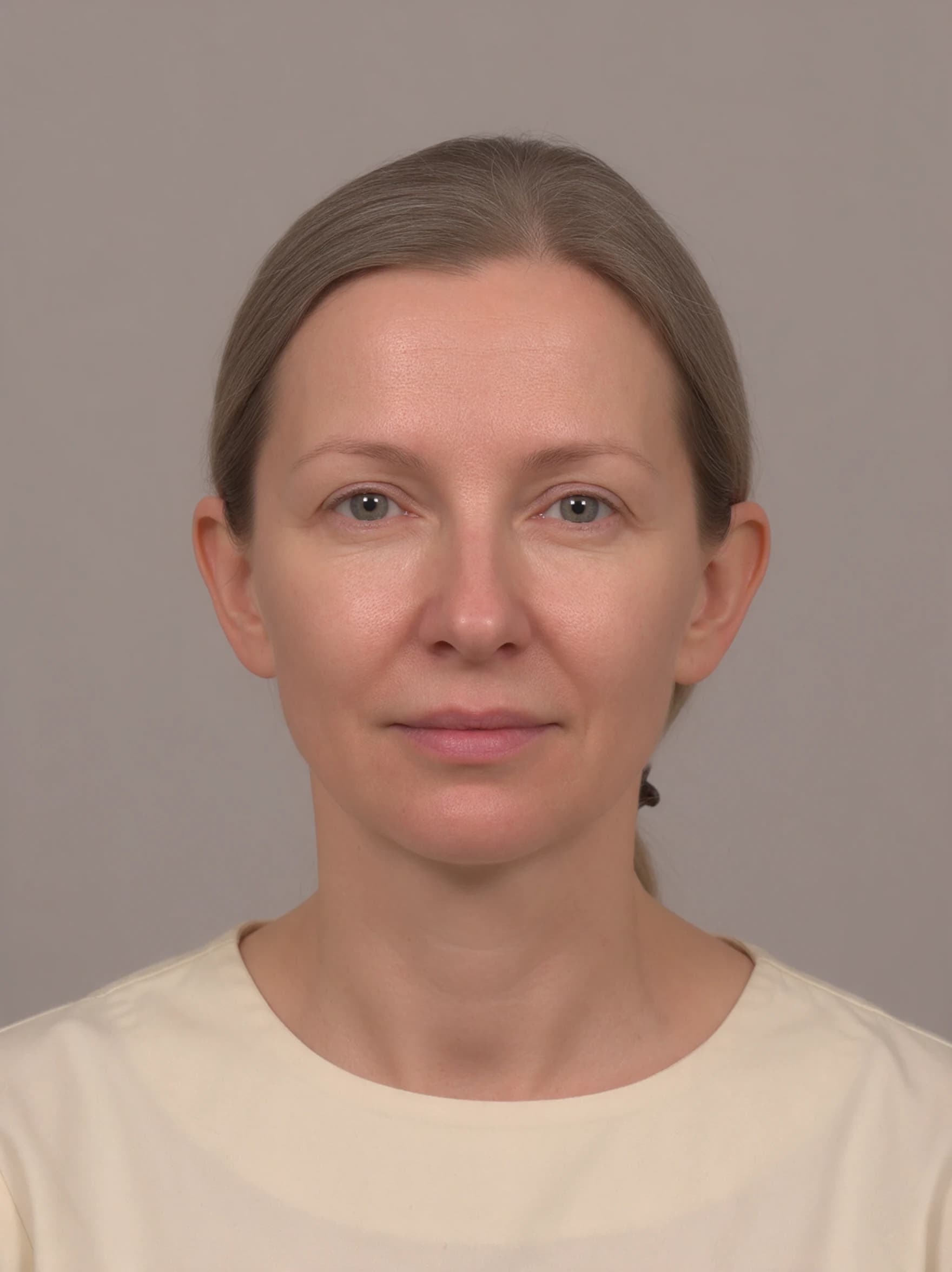
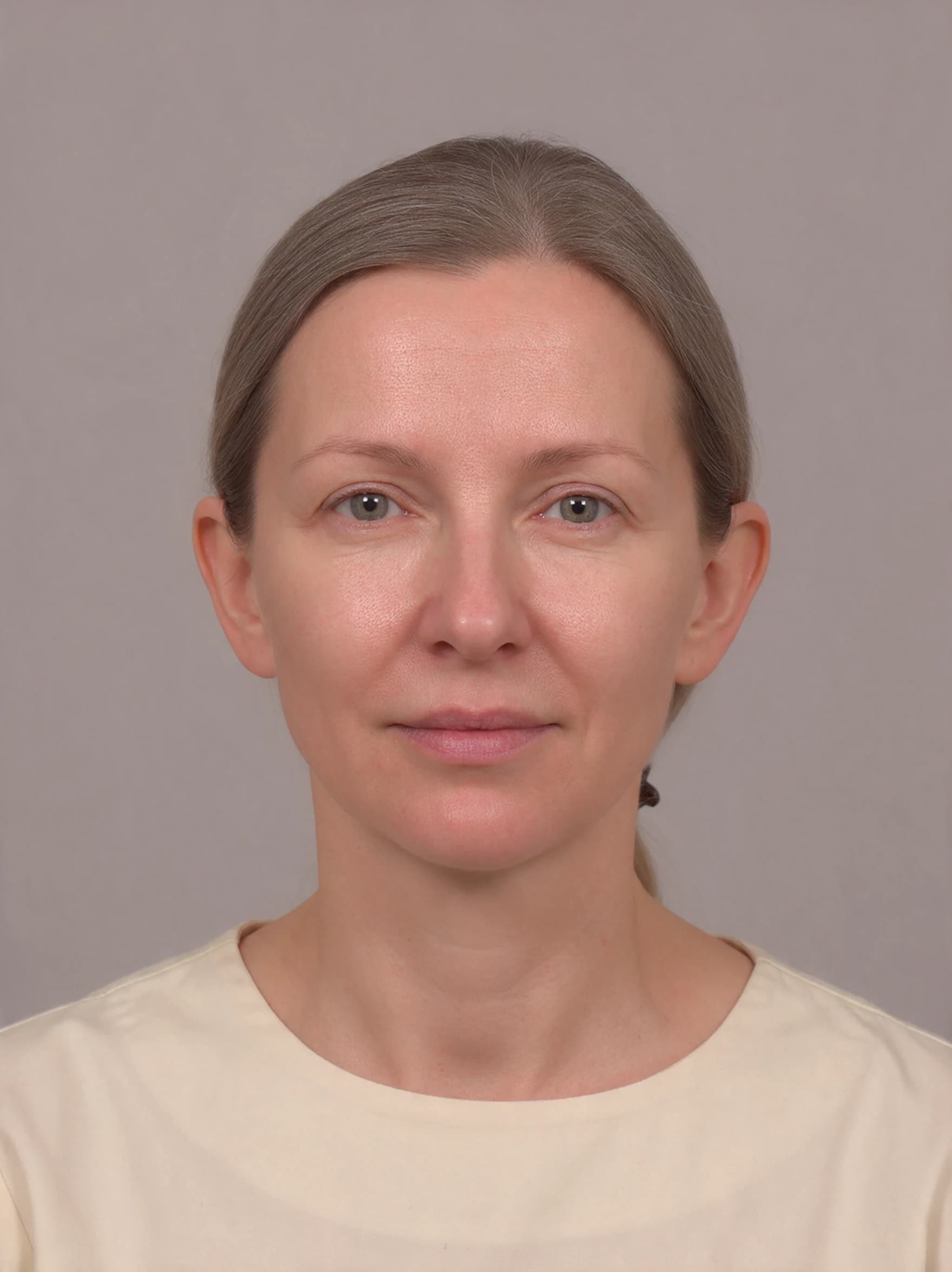
AI-generated educational simulation. Not an actual patient result or a guarantee. Individual outcomes vary.
How Ultherapy and radiofrequency differ
Mechanisms differ: Ultherapy uses focused micro‑ultrasound to target deeper connective layers (including the SMAS) with precisely controlled focal zones; Ultherapy PRIME’s official overview explains the device’s targeting and depth control. Radiofrequency delivers electrical energy that heats dermal and subdermal tissues more diffusely to stimulate remodeling. Because depth, energy delivery and tissue effects are different, choice and sequencing depend on anatomy, skin laxity and goals. Discuss device models, focal depth and intended tissue targets during consultation; again, individual settings and combinations require in‑person medical assessment.
What the 2025 prospective study says (and its limits)
A 2025 prospective study of 36 patients (Zhao et al., Journal of Cosmetic Dermatology) reported clinical improvements after non‑surgical lifting procedures; the report is useful for technique context but is small and non‑randomized, which limits generalizability. The study helps illustrate possible sequences and outcome measures used in practice but cannot establish superiority of one modality or fixed protocols for all patients. International patients should view this as one piece of evidence and discuss how study methods — patient selection, endpoints and follow‑up timing — relate to their own case during an in‑person consultation.
Travel timing and staged treatment planning
For international patients, timing matters. Plan an initial in‑person consultation in Cheongdam before treatment day to review goals and contra‑indications. Many clinics recommend buffer days for immediate swelling or minor downtime; discuss expected follow‑up and any staged sequencing (for example, single‑session Ultherapy versus a staged RF add‑on). Depending on findings, staged plans can span weeks to months. Book follow‑ups and local aftercare instructions before leaving Korea. Always confirm travel dates with your treating clinician — candidacy, energy settings and combination schedules need face‑to‑face medical assessment.
Consultation checklist and next steps
Bring medical history, current medications and photos of your face at rest and in motion. Ask about practitioner experience with Ultherapy PRIME and RF devices, focal depths, energy ranges, expected recovery and follow‑up schedule. Useful questions: Have you treated patients with similar anatomy? What are the realistic endpoints and timelines? How would you stage combination treatments? Request written aftercare, complication plans and costs including follow‑ups. Confirm language support or interpreter. Remember: candidacy, device settings, dose and combinations must be determined by an in‑person medical assessment before any treatment.
Frequently asked questions
Which is better for me: Ultherapy or radiofrequency?
There is no universal answer. Ultherapy and RF act differently and suitability depends on anatomy, skin laxity, prior procedures and aesthetic goals. The 2025 prospective study (Zhao et al.) adds context but is limited by small non‑randomized sample. A face‑to‑face consultation in Cheongdam will determine which modality—or staged combination—is appropriate; device choice, focal depth and energy settings must be individualized during medical assessment.
How long should I plan to stay in Seoul for treatment and follow‑up?
Stay duration depends on your plan. For a single modality with minimal downtime, clinics often advise a short buffer (days) for immediate effects; for staged combinations or treatments requiring device‑specific follow‑ups, plan weeks to months between stages. Always schedule an in‑person initial consult, confirm the clinic’s follow‑up timetable, and book any required post‑procedure checks before you travel. Final travel timing should be set with the treating clinician, since candidacy, sequencing and follow‑up schedules are individualized.
What should I bring to my Cheongdam consultation?
Bring ID, medical history, list of medications and supplements, photos of your face (neutral and expressive), and questions about device experience, sequencing and aftercare. If available, bring records of prior aesthetic procedures. Ask for written estimates that include follow‑ups and potential complication management. Confirm interpreter availability if needed. The clinic will need an in‑person assessment to finalize candidacy, device parameters and any combination schedule.
Sources and further reading
Medical review required before publishing clinical claims.
Plan a consultation