
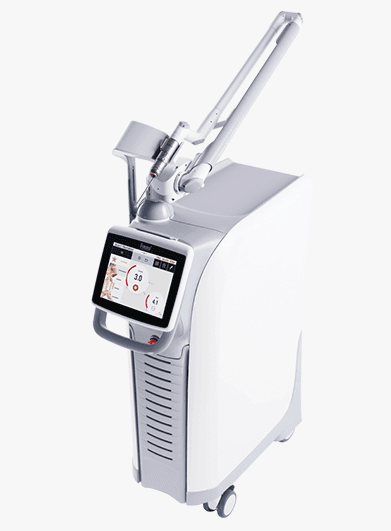
What does ‘Korean laser skin treatment’ actually mean?
Answer: It should mean a medically assessed, individualized treatment plan delivered in Korea—not a universal ‘Korean laser’ device or a social-media package. Official visitor guidance from the Korea Tourism Organization and professional advice from the American Academy of Dermatology (AAD) emphasize clinician-led, customized care rather than a one-size-fits-all device name.
Explanation, limits and what to ask: This search term describes a care setting and approach. Ask who performs the assessment, whether the clinician has experience with your skin type, and why the proposed plan matches your diagnosis. Do not choose solely by a device name, influencer image or price; candidacy, settings and combinations require an in-person medical assessment. (Sources: Korea Tourism Organization, AAD, Mayo Clinic.)
AI consultation simulation
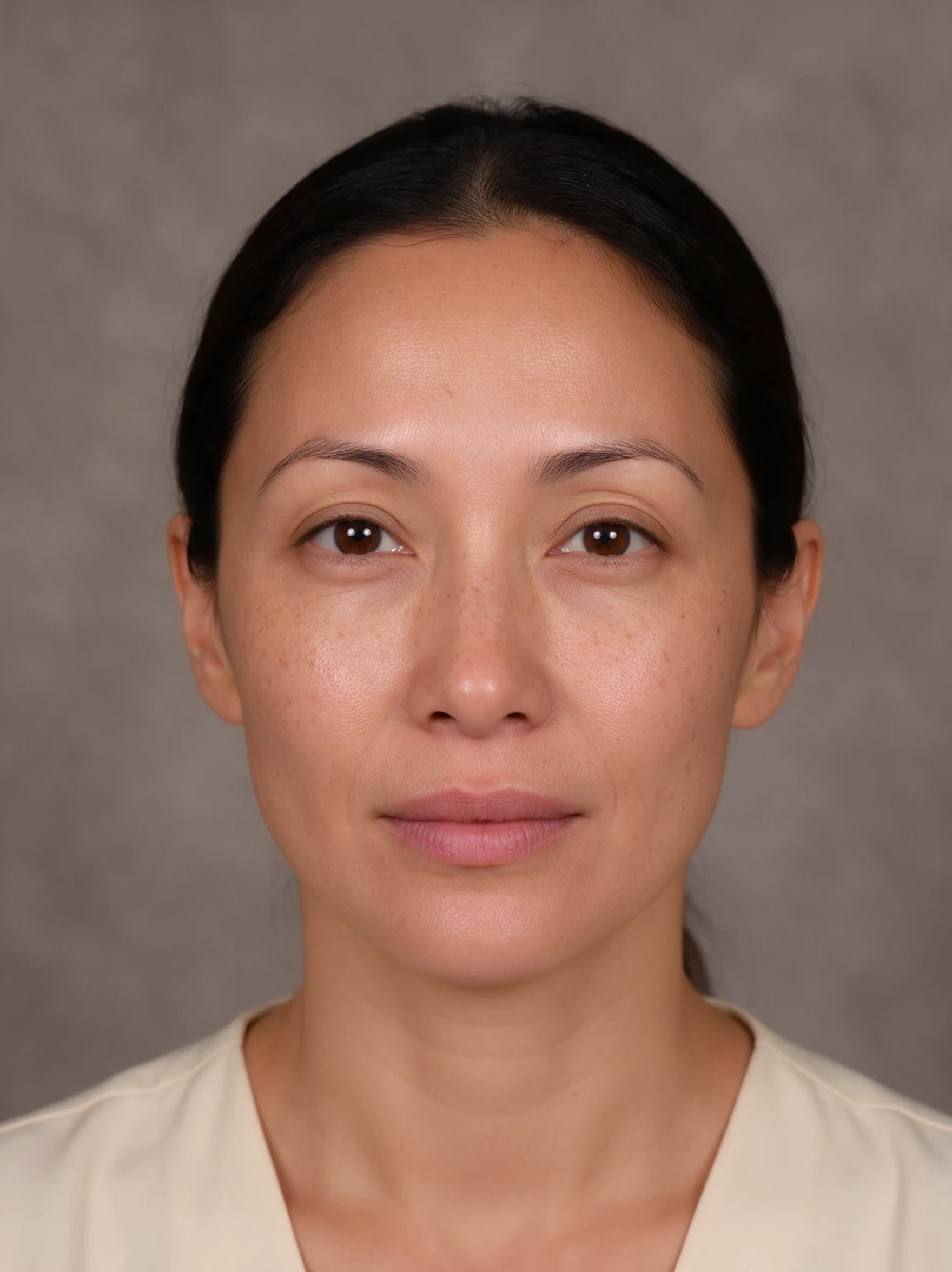
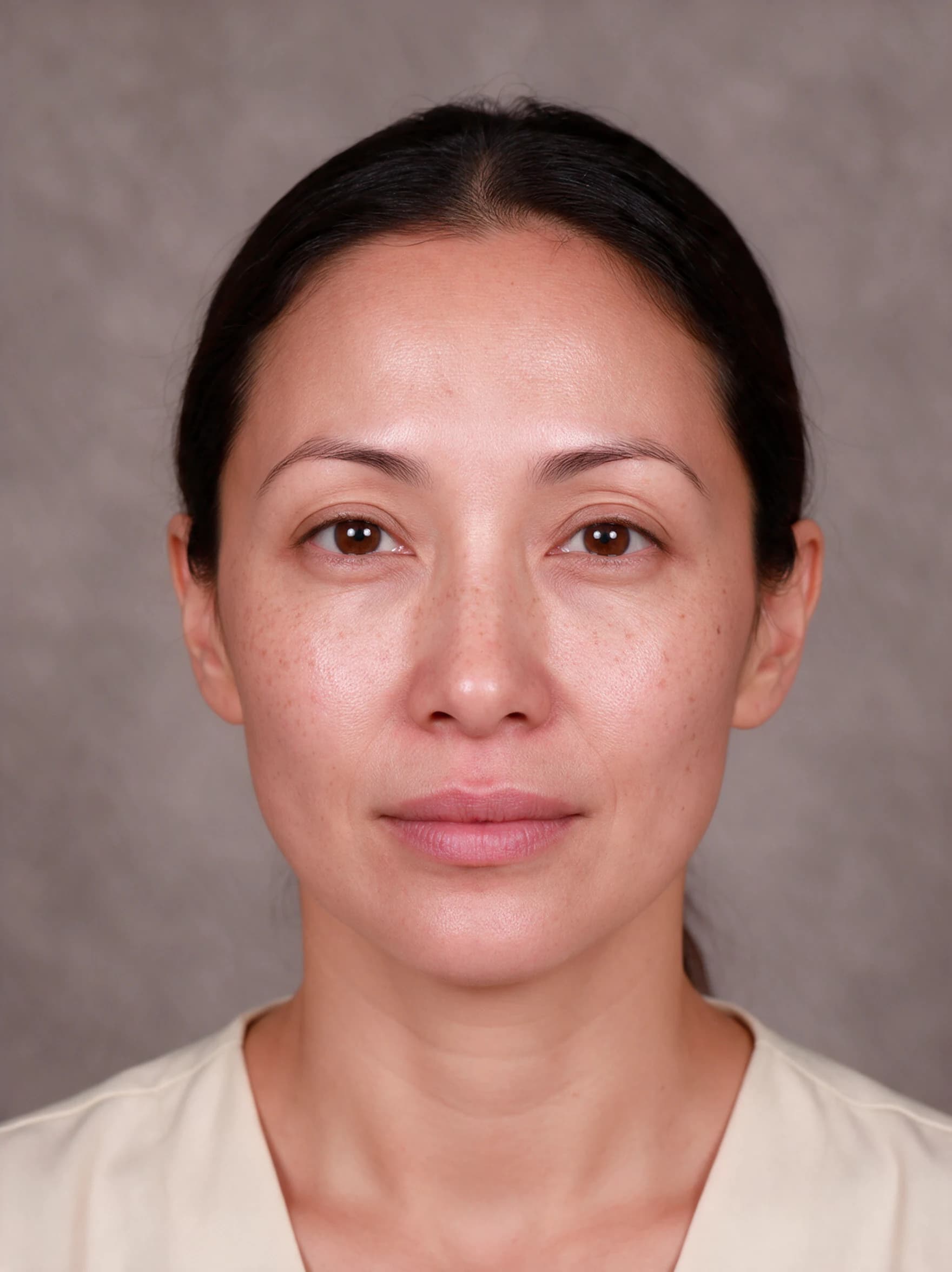
AI-generated educational simulation. Not an actual patient result or a guarantee. Individual outcomes vary.
How does the treatment target determine the laser or light family?
Answer: The clinically assessed target—vascular redness, pigment, texture/scars or resurfacing depth—should determine whether the plan uses vascular lasers, pigment-targeting wavelengths, ablative or nonablative resurfacing, or light-based systems such as IPL. Professional sources distinguish light (IPL) from true lasers and map indications to targets rather than country or trend.
Explanation, limits and what to ask: Vascular concerns often need vascular-specific wavelengths; pigment disorders need pigment-focused approaches; scars and texture usually call for resurfacing strategies. Ask whether the proposal is a laser, IPL or other energy device, which skin layer is targeted, and what limitations exist for your concern. Remember that some issues (e.g., laxity, volume loss) may be better served by non-laser options or staged combination care. (Sources: AAD, ASDS, Mayo Clinic.)
How should skin type and pigment history change the plan?
Answer: Skin phototype and prior pigment responses are safety inputs: darker phototypes have higher risks of burns and post-inflammatory hyperpigmentation. AAD guidance and a 2024 peer-reviewed review warn that Fitzpatrick IV–VI require conservative settings and operator expertise; settings should be individualized rather than copied from another patient or an online image.
Explanation, limits and what to ask: Clinicians should assess Fitzpatrick type, tanning history, prior post-inflammatory hyperpigmentation, medication and product use and the specific condition. Ask how your clinic assesses pigment risk, what conservative options exist, and how they monitor and manage pigment complications. Do not stop or start prescription topical or oral meds without clinician direction. (Sources: AAD, Soares et al. 2024, FDA, Mayo Clinic.)
How should downtime drive the resurfacing decision?
Answer: Downtime is a clinical trade-off between aggressiveness and expected recovery. Ablative resurfacing removes epidermis and often requires longer wound care and recovery with higher side-effect risk; nonablative options spare the surface with shorter recovery but subtler results. Fractional treatment applies to both approaches and modifies, but does not eliminate, recovery.
Explanation, limits and what to ask: Discuss whether your goal truly needs resurfacing or if non-laser or staged combination care is more appropriate. Ask the clinic for realistic day-by-day recovery expectations, wound-care needs and who to contact for complications. International patients must align treatment timing with their Seoul itinerary and confirm follow-up access; the treating clinician must decide fitness to travel. (Sources: Mayo Clinic, ASDS, FDA.)
What should an international patient ask at a Seoul laser consultation?
Answer: Use a checklist that reveals the selection logic: ask what diagnosis or target is being treated, why the chosen modality fits your skin type and pigment history, what settings and session plan are proposed after in-person assessment, and what recovery and follow-up look like. Also confirm transparent pricing, written aftercare and who to contact for complications after you leave Seoul.
Explanation, limits and what to ask: A credible clinic will explain why a specific laser or light source is chosen, detail the targeted skin layer, list realistic outcomes and limits, and describe complications and their management. Ask about operator qualifications and experience with your Fitzpatrick type. For travelers, confirm realistic downtime, whether written instructions and follow-up are provided, and whether remote or local follow-up is possible. (Sources: Mayo Clinic, AAD, FDA, ASDS, Korea Tourism Organization.)
Separating medical dermatology, aesthetic medicine and skincare
Answer: Medical dermatology diagnoses disease and prescribes treatments (including therapeutic lasers) while aesthetic medicine uses medical procedures for appearance goals; non-medical skincare uses topical products without medical-device intervention. Laser selection for a diagnosed condition is a medical decision—skincare and spa protocols cannot replace a dermatologist’s assessment.
Explanation, limits and what to ask: If you have an inflammatory or infectious condition, active acne, melasma or scarring, seek a dermatologic diagnosis first. Ask whether the clinic’s proposed plan is medical (doctor-led), aesthetic (procedure but elective) or spa-level (nonmedical). Only a clinician can safely choose device settings, medications and manage complications. (Sources: AAD, Mayo Clinic.)
Frequently asked questions
Is Korean laser skin treatment a single procedure?
No. It’s a broad search term for laser or light-based dermatologic care in Korea. Treatment must be chosen after an in-person assessment of concern, skin type, pigment history and downtime tolerance; a device name alone does not establish candidacy or safety. (Sources: Korea Tourism Organization, AAD.)
How many Korean laser treatments will I need?
There is no universal session count. Some laser or light indications need multiple treatments; nonablative or fractional plans may require a series. The number depends on your diagnosis, modality, settings, tissue response and safety. A clinician should set the plan after in-person assessment. (Sources: AAD, Mayo Clinic.)
Can people with darker skin safely have laser treatment in Seoul?
Potentially, but care must be individualized. AAD warns darker skin has higher risk of burns and dark marks; a 2024 review (Soares et al.) recommends conservative practice and experienced operators for Fitzpatrick IV–VI. Discuss pigment-risk assessment, conservative alternatives and follow-up plans with your clinician; do not self-select devices or settings online. (Sources: AAD, Soares et al. 2024.)
Can I have laser treatment just before flying home?
Do not assume it’s safe. Recovery ranges from brief redness after some nonablative treatments to wound care and longer recovery after ablative resurfacing. Your treating clinician must assess the procedure, expected healing, follow-up access and your travel itinerary to decide fitness to fly. Ask for written aftercare and emergency contact before you leave Seoul. (Sources: Mayo Clinic, ASDS.)
Sources and further reading
- U.S. Food and Drug Administration — Medical Lasers
- American Academy of Dermatology — Skin conditions that lasers can treat
- Mayo Clinic — Laser resurfacing
- Soares et al., Lasers in Medical Science — Complications of dermatologic lasers in high Fitzpatrick phototypes and management
- American Society for Dermatologic Surgery — Laser Resurfacing
- Korea Tourism Organization — Dermatology
Medical review required before publishing clinical claims.
Plan a consultation