

Which acne-scar treatment fits each scar type?
Answer: Start by separating atrophic (depressed) scars from hypertrophic/raised scars and document whether depressed scars are rolling, boxcar or ice‑pick. Treatment choice depends on scar morphology, depth, tethering, skin tone, active acne and recovery tolerance.
Evidence and limits: The American Academy of Dermatology (AAD) and a 2025 Frontiers review stress morphology-driven planning because rolling, boxcar and ice‑pick scars respond differently to subcision, resurfacing and collagen-induction methods. Clinical studies (for example, a 2019 JCAD prospective series) show better response for rolling/boxcar scars with certain combinations than for deep ice‑pick scars—but samples and follow-up are limited. Ask your clinician to map each scar, explain the dominant mechanism, and justify why a proposed method targets that mechanism for your skin tone and downtime constraints.
AI consultation simulation
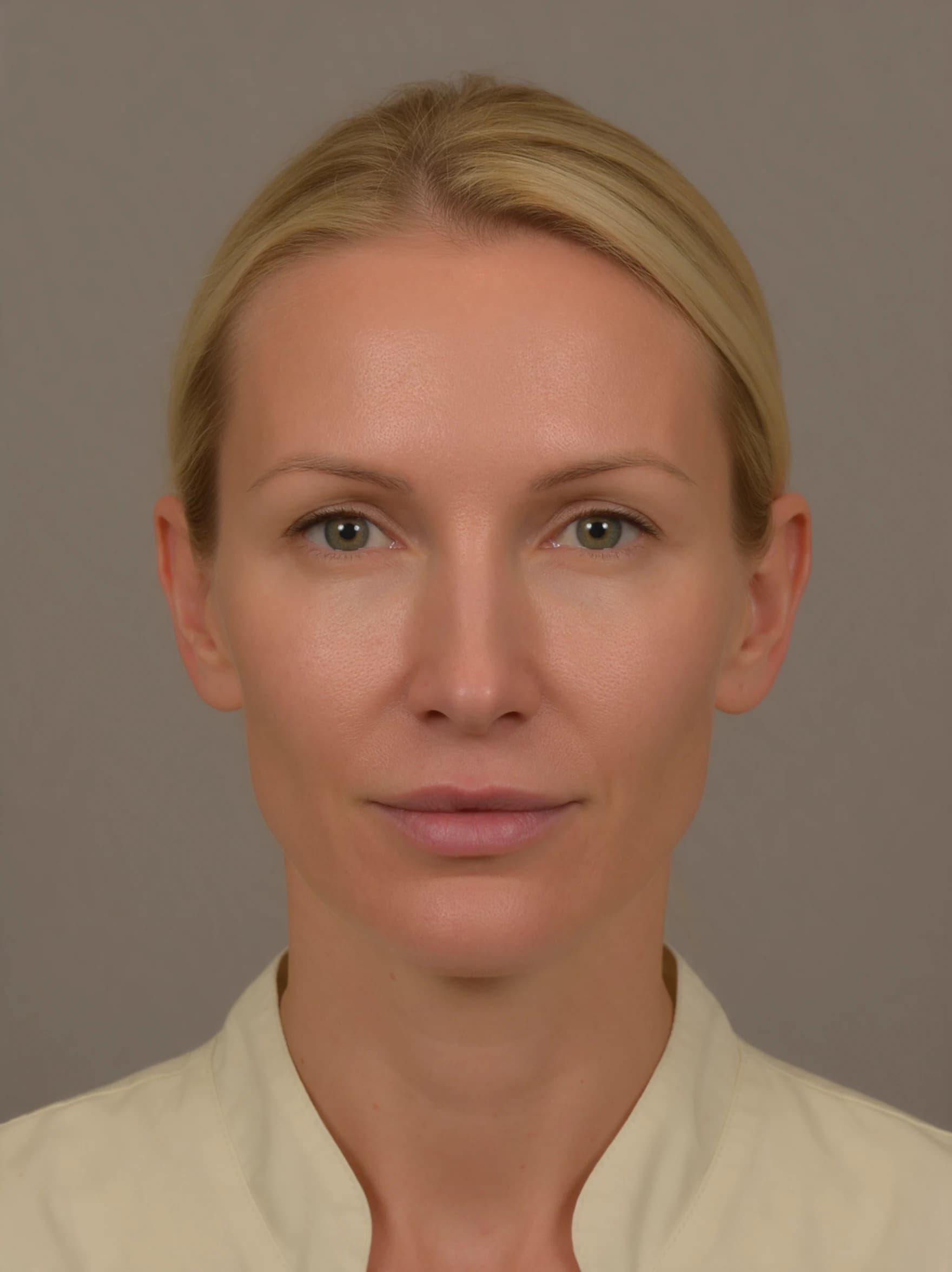
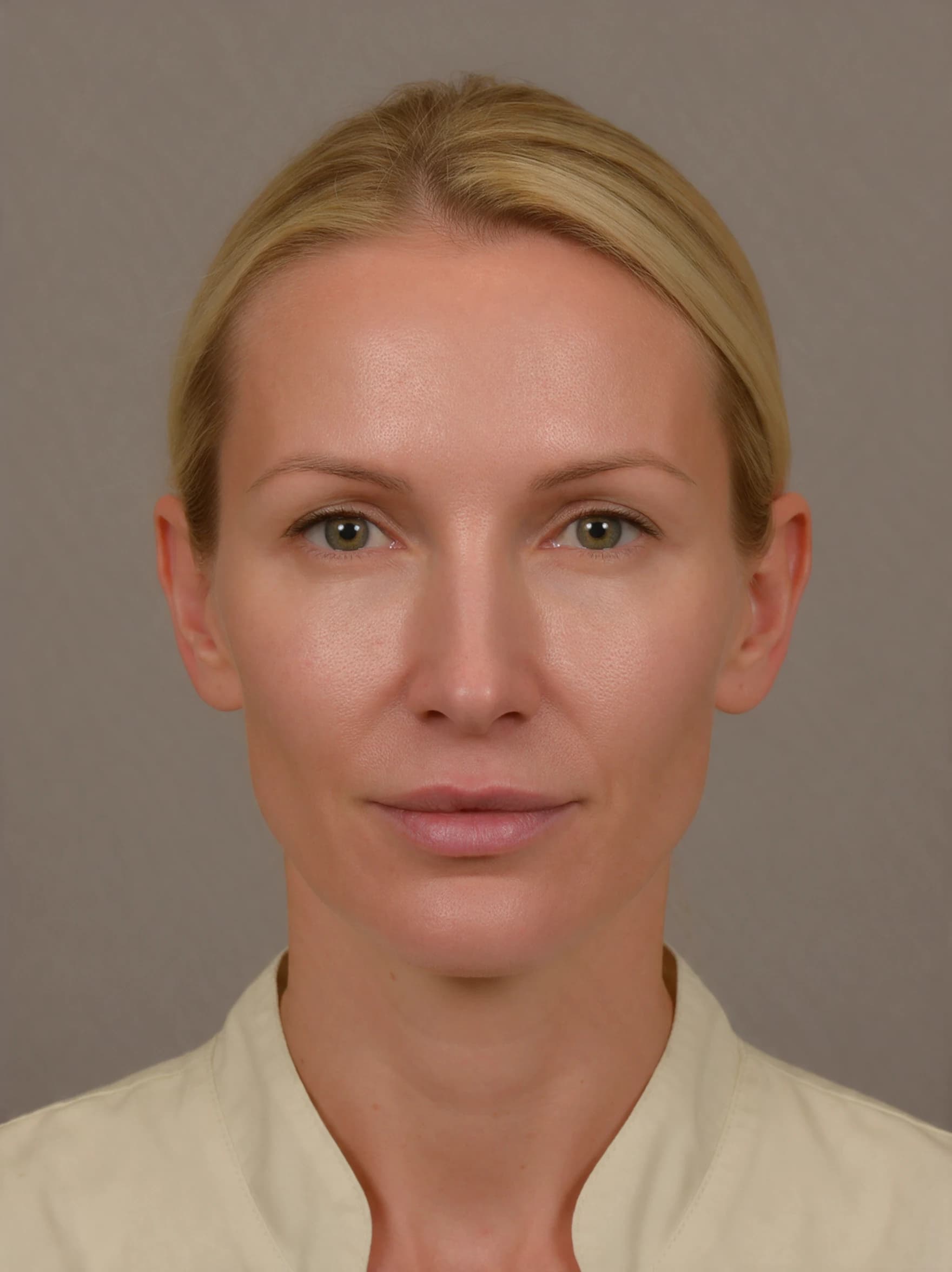
AI-generated educational simulation. Not an actual patient result or a guarantee. Individual outcomes vary.
Why might subcision be considered before resurfacing?
Answer: Subcision releases fibrous tethering beneath rolling scars, allowing the depression to elevate and improving outcomes when tethering is the main mechanism. If tethering is absent, subcision adds risk without matching benefit.
Evidence and limits: JCAD prospective data and literature reviews report that subcision most reliably helps rolling scars and may be less effective for deep boxcar or ice‑pick scars. Evidence often comes from small series with mixed endpoints; therefore clinicians plan release only when a physical exam shows tethering. Ask how bruising, bleeding, pigment-change risk and infection history will be screened, and whether subcision will be combined with microneedling, filler or delayed resurfacing and why.
When do lasers and RF microneedling enter an acne-scar plan?
Answer: Consider lasers or RF microneedling when the dominant problem is surface contour, edge definition or collagen induction rather than tethering. Choice depends on expected efficacy, downtime and pigment-risk for your skin tone and the device’s safety profile.
Evidence and limits: AAD notes microneedling is a medical procedure for selected scars and the FDA describes device-specific intended uses. Frontiers (2025) reviews show ablative fractional lasers often give stronger remodeling but carry higher post‑inflammatory hyperpigmentation and prolonged redness risk—especially in darker skin—while non‑ablative lasers and radiofrequency approaches trade efficacy for shorter downtime. The FDA’s 2025 safety communication warns of serious reported complications with certain RF‑microneedling uses; device, setting and operator training matter. Ask which device, depth/energy settings and pigment‑risk precautions the clinic will use for your skin.
When do staged combinations make sense—and what should they not promise?
Answer: Staged combinations are reasonable when a face shows more than one scar mechanism (for example, tethering plus surface irregularity). The clinician should propose sequencing, reassess results between stages and set realistic expectations rather than selling a bundled ‘complete’ cure.
Evidence and limits: Frontiers (2025) and AAD guidance favour individualized multimodal planning because trials vary by scar grade, device, skin type and endpoints. JCAD’s combined subcision+microneedling study showed benefit for certain scar types but was limited in size and follow-up. A staged plan should include reassessment points, realistic downtime and pigment‑risk counselling. Ask your provider why they chose the sequence, what objective measures they will use to judge progress, and how they will manage complications before you book a package.
How can international patients compare acne-scar clinics in Seoul safely?
Answer: Prioritize clinicians who will perform the in‑person scar map, can explain scar-by-scar reasoning, name the exact device/product and provide written pricing, aftercare and post‑visit contact. Training, licensure and device-specific regulatory information matter more than a long device list.
Evidence and limits: FDA guidance recommends selecting licensed, trained providers for microneedling and RF procedures; device clearance is indication-specific. The Korea Tourism Organization notes variability in international-patient services across Seoul clinics. For travelers ask about language support, recovery time compatible with travel plans, written aftercare, emergency contact and who will handle follow-up if you return home. Remember candidacy, device settings, dose and combinations require an in‑person assessment; do not finalize care from photos or social media.
Safety notes and what to ask before you book
Answer: Screen for active acne, infection, keloid tendency, medications, pregnancy/breastfeeding, healing history and pigment-risk. Ask about exact device/product, who will perform the procedure, setting rationale, expected downtime, written aftercare, emergency contact and follow-up policy for international patients.
Evidence and limits: The FDA lists microneedling device risks and issued a 2025 RF‑microneedling safety communication noting serious reported harms; the AAD emphasises individualized screening and planning. Device authorization and labeling vary by country—do not assume a foreign clearance applies in Korea. For travelers, insist on written aftercare and a method to reach the treating clinic after you leave; avoid at‑home RF microneedling and seek urgent licensed care if you have concerning symptoms.
Frequently asked questions
What is the best acne scar treatment in Seoul?
There is no universal best. Begin with an in‑person scar map and compare the mechanism the clinic proposes, provider experience, device/product details, pigment and downtime risk, aftercare and follow‑up. A clinic should explain why its plan fits your specific scars rather than selling a fixed device package.
Can subcision, lasers and RF microneedling be used together?
They can be considered in staged combinations when different scar mechanisms are present. The exact sequence, device settings, dose, product and combination safety require an in‑person medical assessment; combinations are not universally safer or more effective and depend on scar type and skin.
Is RF microneedling safe for acne scars?
RF microneedling is a medical procedure with potential benefits and harms. The FDA’s October 2025 safety communication reports serious complications with certain aesthetic RF‑microneedling uses (burns, scarring, fat loss, nerve damage). Discuss device, operator training, alternatives and an aftercare/emergency plan in person.
Can I plan acne-scar treatment during a short trip to Seoul?
Possibly—but don’t assume a same‑trip procedure is appropriate. Book an in‑person consultation first, confirm expected redness/swelling, sun avoidance, pigment‑risk, written aftercare, follow‑up window and how the clinic will handle concerns after you travel. Recovery timing and reassessment needs depend on the assessed plan.
Sources and further reading
- American Academy of Dermatology — Acne scars: Consultation and treatment (updated 2023)
- American Academy of Dermatology — Microneedling can fade scars, uneven skin tone, and more (updated 2023)
- U.S. Food and Drug Administration — Microneedling Devices (content current October 15, 2025)
- U.S. Food and Drug Administration — Potential Risks with Certain Uses of Radiofrequency (RF) Microneedling (October 15, 2025)
- Frontiers in Medicine — Advances in the treatment of acne scars (2025)
- Journal of Clinical and Aesthetic Dermatology — Subcision and Microneedling as an Inexpensive and Safe Combination to Treat Atrophic Acne Scars in Dark Skin (2019)
Medical review required before publishing clinical claims.
Plan a consultation