
Why English communication is a clinical-safety issue, not just a convenience
Answer: For elective skin and aesthetic care, the consultation is part of the intervention: clinicians must hear your goals and history and explain the proposed option, alternatives, realistic benefits, burdens and foreseeable risks so you can make an informed choice. A bilingual booking or a translated form alone does not prove this two-way exchange happened with the treating clinician.
Evidence and questions to ask: AMA ethics guidance and dermatology reviews describe informed consent as a communication process that requires assessing understanding. Ask who will perform the medical consultation, whether that person speaks English, and how interpretation and documentation will be provided. Limitations: legal rules differ by country and a fluent coordinator does not replace clinician communication; always confirm that the treating clinician can conduct and document the discussion in English.
AI consultation simulation
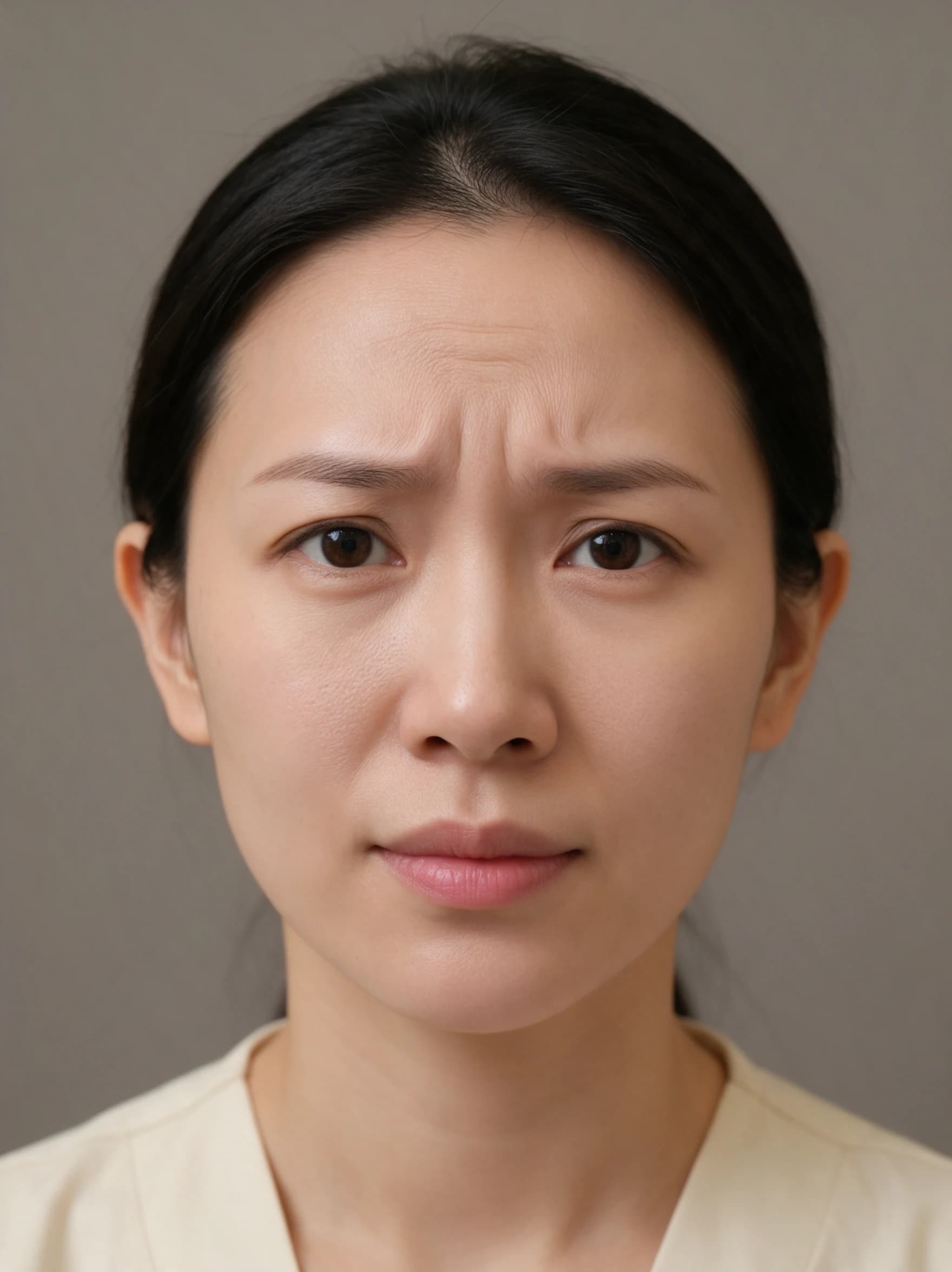
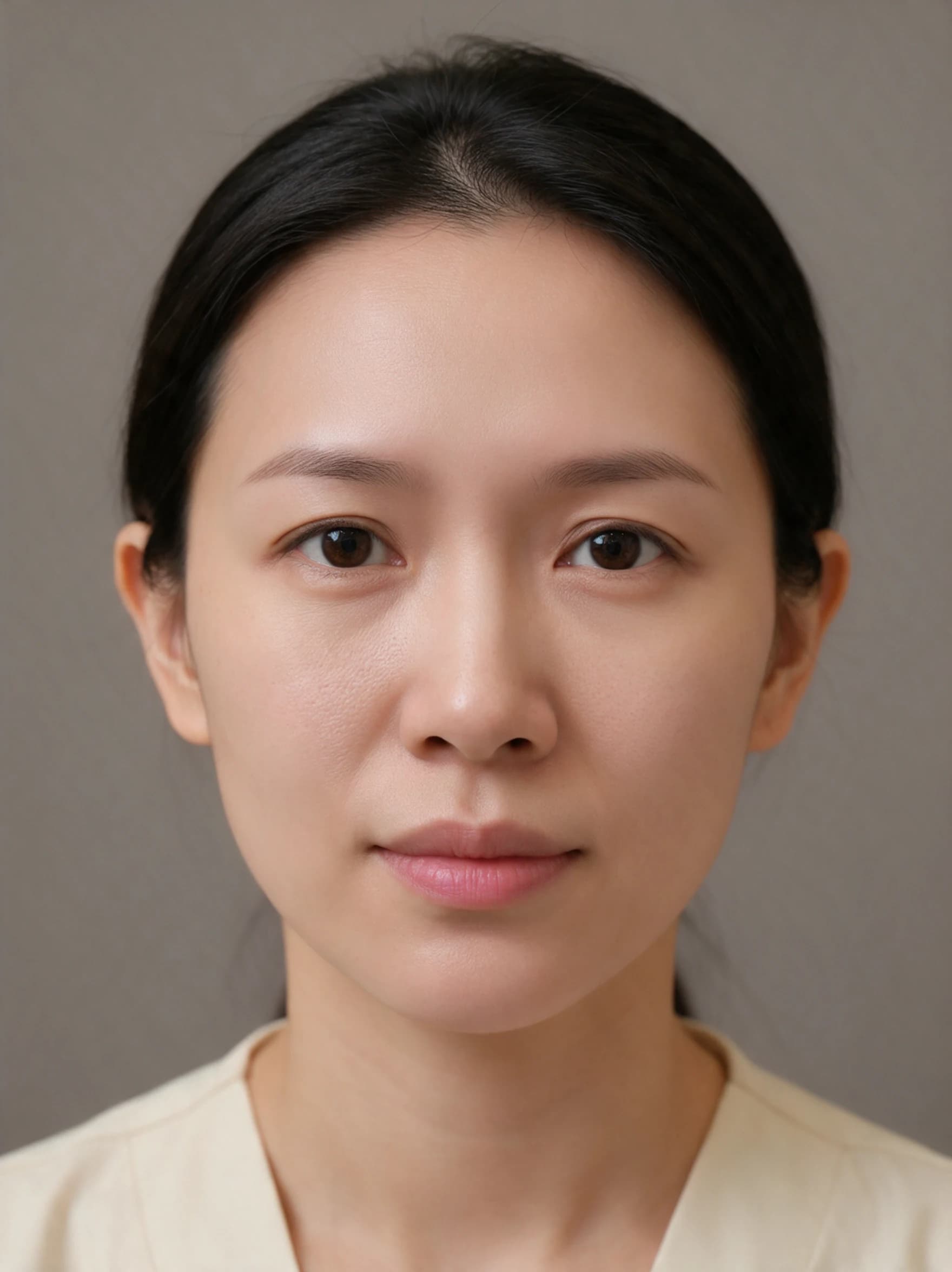
AI-generated educational simulation. Not an actual patient result or a guarantee. Individual outcomes vary.
What a clinically useful English consultation should cover
Answer: A useful consultation gives you enough specific information to decide without committing you beforehand. The treating clinician should assess you in person, explain what is being considered and why, state realistic limitations and alternatives, describe likely benefits and material risks, and confirm the follow-up plan and documentation you will receive in English.
Evidence and practical steps: AMA informed-consent elements and the dermatology narrative review recommend explaining nature and purpose, risks, benefits, alternatives including doing nothing, and documentation. Ask for plain-English names for each procedure, how your travel dates affect follow-up, and whether you can receive an English copy of consent, aftercare and records. Limitations: the final suitability assessment and treatment settings are clinician decisions and depend on in-person findings.
How to compare an English-speaking skin clinic in Seoul
Answer: There is no single best clinic for every international patient. Compare verifiable practices: who the treating clinician is, whether that clinician can conduct consultations and consent in English, how interpretation and written English materials are provided, the transparency of pricing and what follow-up looks like for travellers.
Evidence and selection criteria: Use AMA and HHS language-access principles plus Korea Ministry of Health descriptions of foreign-patient services as a framework. Ask for the treating clinician’s name and qualifications, whether you can meet them in English, a written itemized plan and price scope in English, and the documented follow-up route. Limitations: reviews, social media and before-and-after images can provide context but cannot replace a clinician-led medical assessment or proof of meaningful English consent.
What to clarify before injectables, devices, or combination plans
Answer: Bring preferences, but do not assume a fixed protocol. Candidacy, settings, dose, product choice and combinations require an in-person medical assessment by the treating clinician. For each proposed element ask its name, purpose, main limitations, relevant risks, alternatives, timing, and whether the plan can change after assessment.
Evidence and patient actions: Dermatology consent literature and AMA guidance stress individualized assessment and explanation of risks and alternatives. Tell the clinician about prior procedures, medications, supplements and reactions so decisions are safe. Limitations: this article does not recommend specific devices, drugs, dosages or sequences—those are clinician-level decisions based on your exam.
How international patients can plan English-language follow-up
Answer: Before travel, confirm how the clinic provides clear written aftercare and follow-up instructions in English, which contact route to use for non-urgent questions, and what to do if concerning changes occur after you return home. Ensure you can obtain English copies of consultation notes, consent and treatment records for other clinicians.
Evidence and practical checks: HHS and Korean MOHW resources describe language-access services and international-patient supports; AMA guidance emphasizes documentation of the consent discussion. Ask the clinic for English aftercare, a single point of contact, and how records are shared. Limitations: availability of services varies by clinic—confirm exact provisions, hours and costs before booking.
Practical checklist to ask ANTIAN CLINIC before booking
Answer: Ask who will perform the consultation and the procedure, whether that clinician can conduct the medical discussion and document consent in English, how interpretation will be provided if needed, and whether you will receive English copies of consent and aftercare instructions. Also ask for an itemized plan and price scope and a single aftercare contact reachable after you leave Korea.
Why this matters and what to confirm: These items directly relate to informed consent, documentation and safe follow-up as described by AMA, dermatology reviews and Korean MOHW patient-service guidance. Confirm clinician names/roles, English-language documentation, the follow-up contact method, and how records are shared. Limitations: the clinic’s statements describe available services; final candidacy and protocol will depend on the in-person assessment.
Frequently asked questions
Is an English-speaking coordinator enough for informed consent?
A coordinator helps logistics, but informed consent requires a clinician-led medical discussion. Verify that the treating clinician can explain the plan, risks, alternatives and follow-up in English or that qualified interpretation will be provided and documented.
What should I understand before consenting to an aesthetic procedure in Seoul?
You should be able to explain the proposed intervention, why it is considered, likely benefits and limitations, material risks and burdens, reasonable alternatives (including no treatment), and the follow-up plan. Request clarification and an English copy of consent and aftercare before proceeding.
Can I choose Botox, fillers, a device treatment, or a combination before I arrive?
You may bring preferences and questions, but you should not assume suitability. Candidacy, settings, dose, product and combinations require an in-person medical assessment by the treating clinician. Plan enough time for assessment and possible staged care rather than booking solely around a flight.
How can I choose the best English-speaking skin clinic in Seoul?
There is no single 'best' clinic for everyone. Use a transparent checklist: can you speak directly with the treating clinician in English; will the clinician document consent and provide English aftercare; is pricing itemized and changeable after assessment; and is follow-up planned for your travel timeline? Use reviews and images only as supplementary context. Limitations and next steps: Final candidacy, protocols and outcomes cannot be determined from marketing or photos. Book an English consultation focused on assessment and informed consent, ask for written English documentation, and confirm practical aftercare and record-sharing before paying.
Sources and further reading
- American Medical Association — Code of Medical Ethics, Opinion 2.1.1: Informed Consent
- Hengy et al. — Informed consent in dermatology: a narrative review (International Journal of Dermatology, 2023)
- U.S. Department of Health and Human Services, Office for Civil Rights — Limited English Proficiency
- Al Shamsi et al. — Implications of Language Barriers for Healthcare: A Systematic Review (Oman Medical Journal, 2020)
- Republic of Korea Ministry of Health and Welfare — Global Cooperation: International Patient Services
- Korea Health Industry Development Institute — International-healthcare support mission
Medical review required before publishing clinical claims.
Plan a consultation