
Quick answer: What’s new in Korean dermatology for 2026
Answer-first: In 2026 the leading trends in Korean dermatology prioritize measurable skin quality, subtle 'undetectable' outcomes, and staged treatment planning over single-session stacking. At ANTIAN CLINIC in Cheongdam, Gangnam, Seoul, clinicians combine next‑generation resurfacing, imaging-based assessment, and technique-led delivery to improve texture, tone and pore appearance while respecting diverse skin types. Patients are evaluated for candidacy, settings, dose and combinations during an in-person consultation; these factors determine safety and expected responses, so no treatment plan is finalized remotely.
AI consultation simulation
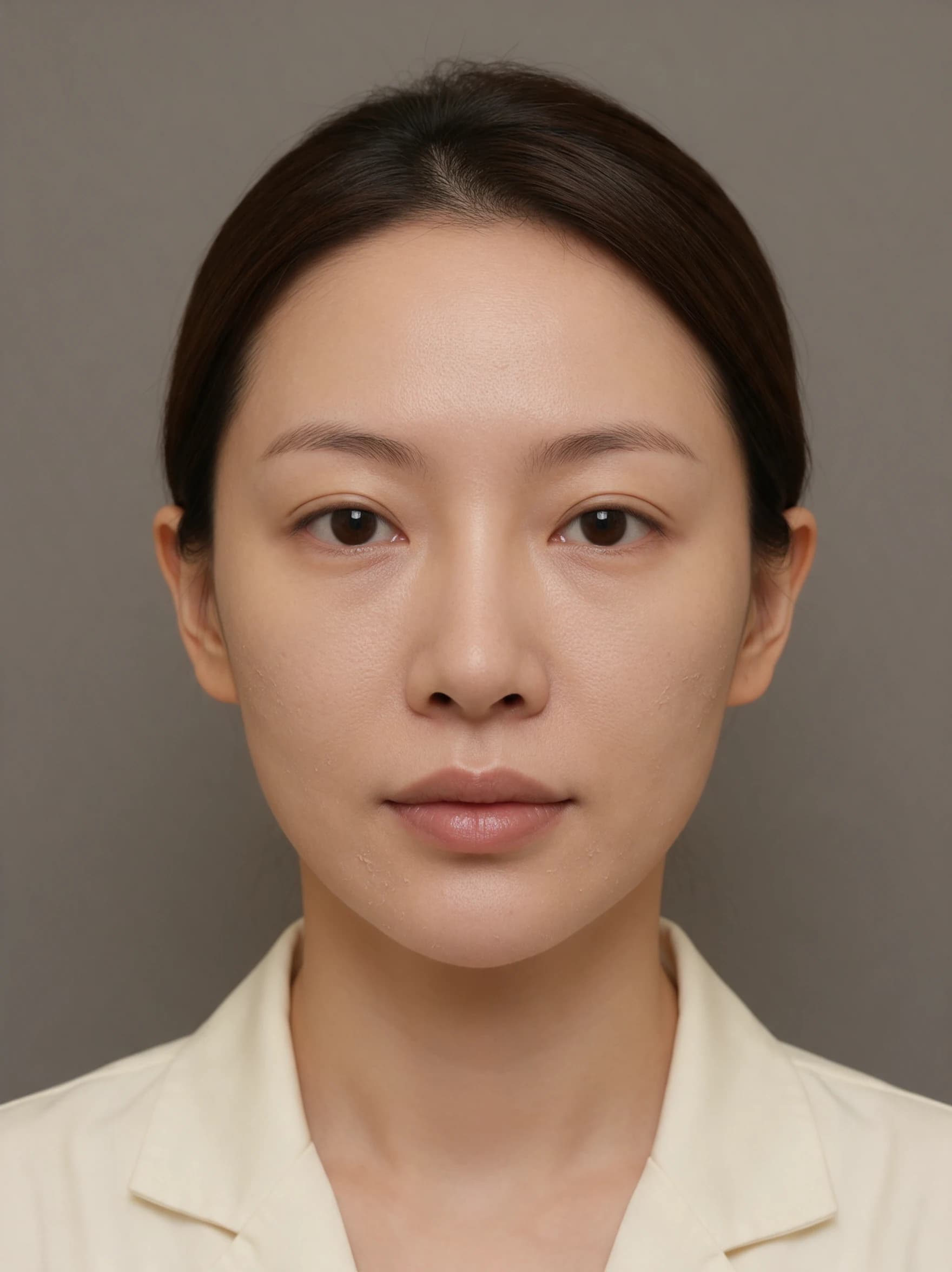
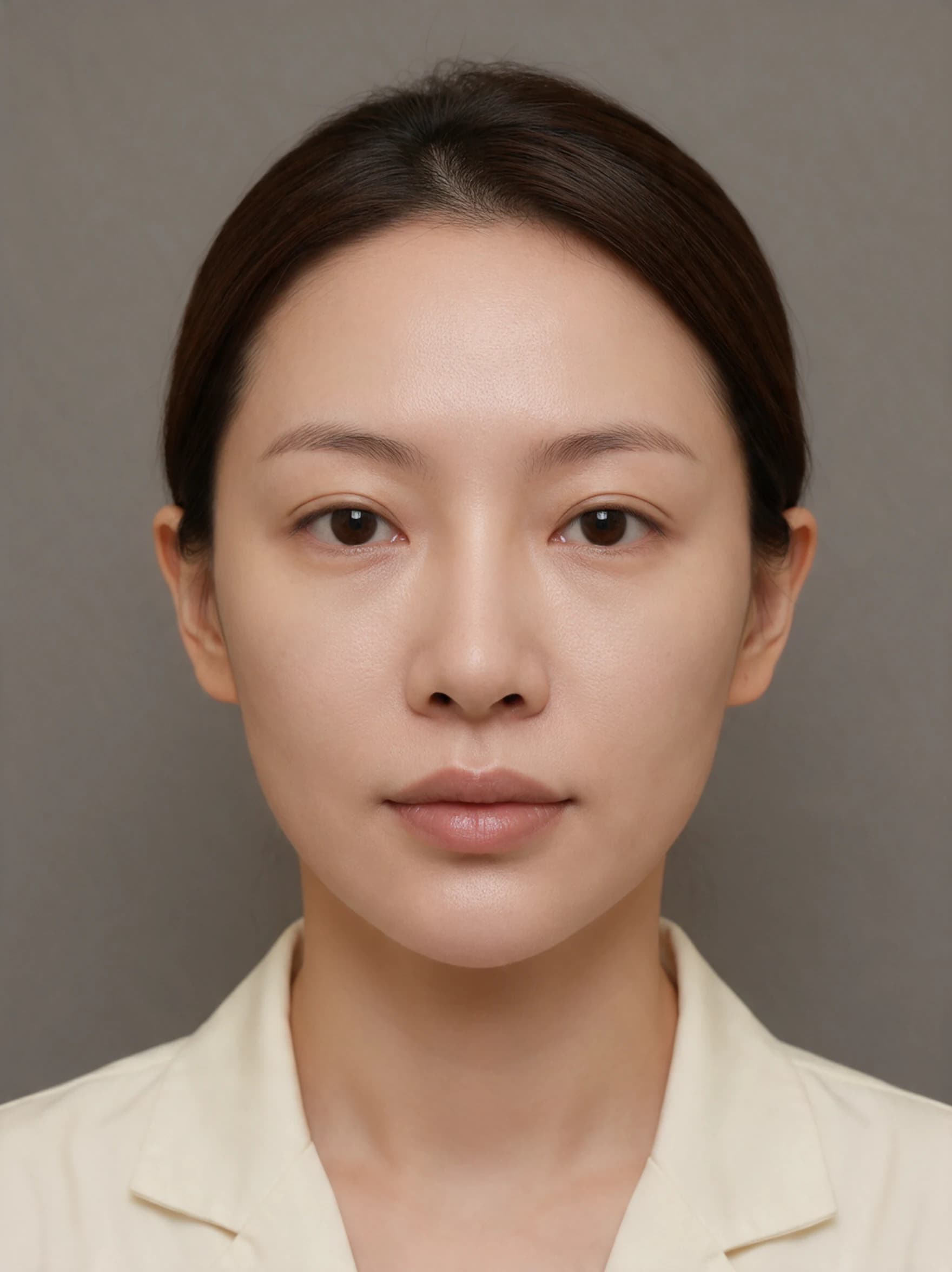
AI-generated educational simulation. Not an actual patient result or a guarantee. Individual outcomes vary.
Next-generation resurfacing and diverse-skin suitability
Next‑generation resurfacing: New fractional lasers, bipolar radiofrequency and hybrid devices emphasize controlled dermal remodeling with shorter downtime. Recent reviews (Energy-Based Skin Rejuvenation review: https://pmc.ncbi.nlm.nih.gov/articles/PMC11837243/) highlight device selection and parameter adjustments for darker or reactive skin to reduce pigmentary risk. At ANTIAN CLINIC, practitioners stage resurfacing and often prefer lower-density passes, test spots, and interval-based sessions rather than aggressive full-field treatments. Candidacy, settings and combined use with injectables or topical adjuncts require an in-person assessment to choose conservative, evidence-aligned protocols tailored to each patient.
Imaging and objective skin-quality assessment
Imaging and objective skin-quality assessment: Quantitative tools—high-resolution photography, 3D imaging, skin topography, and validated scales—are central to planning and tracking outcomes. Reporting and documentation align with standards discussed in industry outlooks (Dermatology Times — Aesthetic innovations in 2026: https://www.dermatologytimes.com/view/highlighting-upcoming-aesthetic-innovations-in-2026). At ANTIAN CLINIC we use baseline imaging and periodic objective metrics to set realistic goals, inform sequencing, and evaluate safety across skin phototypes. Objective measures reduce overtreatment and support conservative, staged approaches. Imaging complements but does not replace hands‑on assessment.
Undetectable, technique-led results and treatment sequencing
Undetectable, technique-led results and sequencing: The aesthetic focus is moving from dramatic single-visit changes to cumulative, natural-looking improvements achieved by technique, not volume. Skilled placement, microdose strategy and interval scheduling produce subtle improvements in movement, projection and skin quality. Rather than stacking multiple aggressive modalities in one visit, ANTIAN CLINIC sequences treatments—e.g., resurfacing, then injectables, then maintenance energy treatments—allowing tissue recovery and clearer assessment of response. For injectable preparation and safety clinicians follow guidance such as the American Academy of Dermatology (https://www.aad.org/public/cosmetic/wrinkles/botulinum-toxin-preparation). Candidacy, dose and timing must be individualized in person.
Regenerative and longevity claims — cautious counseling and consultation checklist
Regenerative and longevity claims: Many emerging therapies claim regenerative or 'longevity' benefits, but evidence varies and long-term human data are limited. Clinicians should rely on peer-reviewed evidence, device reviews (see Energy‑Based Skin Rejuvenation review) and clinical guidance when counseling patients. At ANTIAN CLINIC we discuss potential benefits and limits transparently and avoid definitive promises. A proper in-person evaluation determines candidacy, settings and safe combinations. Useful consultation questions to bring: What are my realistic goals? Which imaging metrics will you use? What is the sequence, downtime and risk for my skin type? How are doses and settings chosen, and what follow-up is planned?
Frequently asked questions
Is advanced resurfacing safe for darker or reactive skin types?
Safety depends on device selection, parameter settings and technique. Reviews such as the Energy‑Based Skin Rejuvenation review (https://pmc.ncbi.nlm.nih.gov/articles/PMC11837243/) emphasize test spots, lower-density approaches and staged sessions to reduce pigment risk. At ANTIAN CLINIC we individualize protocols by skin phototype and always confirm candidacy in person; remote advice cannot replace an examination.
How do clinics measure skin‑quality improvements?
Clinics use standardized photography, 3D imaging, topography, pore and wrinkle indices, and validated scales. Documentation practices follow industry perspectives (see Dermatology Times — Aesthetic innovations in 2026: https://www.dermatologytimes.com/view/highlighting-upcoming-aesthetic-innovations-in-2026). Objective metrics help set realistic goals and judge whether to proceed with next steps; they augment, not replace, a clinician’s physical exam.
How should I prepare for injectables like botulinum toxin?
Follow pre-procedure guidance and disclose medications, supplements, and medical history. The American Academy of Dermatology offers patient preparation advice for botulinum toxin (https://www.aad.org/public/cosmetic/wrinkles/botulinum-toxin-preparation). Avoid assumptions about dose or combination therapies until an in-person assessment confirms candidacy and timing. Discuss bleeding-risk medications, planned imaging, recovery time and follow-up with your treating clinician.
Sources and further reading
Medical review required before publishing clinical claims.
Plan a consultation